We all know the iconic red dress, the contagious laugh in the opera box, and the snap of the necklace case that wasn’t even scripted. But rewatching this quintessential Hollywood fairy tale decades later? It hits entirely different.

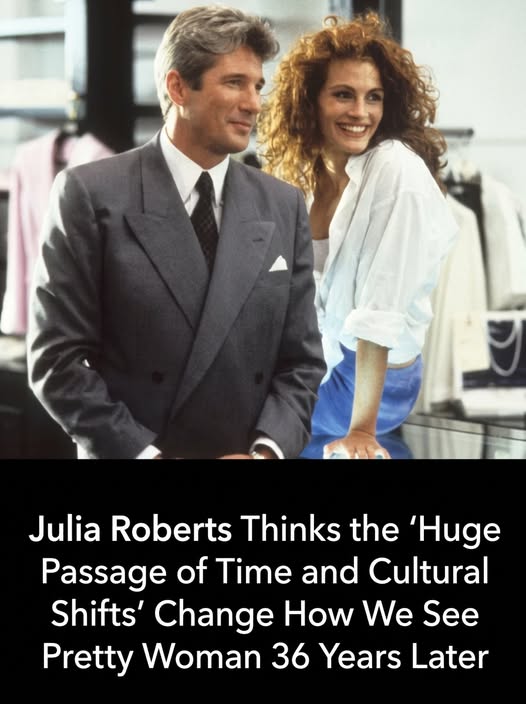
What was once heralded as the ultimate modern Cinderella romance now sparks fierce debates, raised eyebrows, and a whole new layer of emotional complexity. Julia Roberts herself recently pointed out that the massive passage of time and cultural shifts force us to see Vivian Ward through a brand-new lens. And honestly? She’s not wrong.
The Billion-Dollar Fairytale That Rewrote Rom-Com History
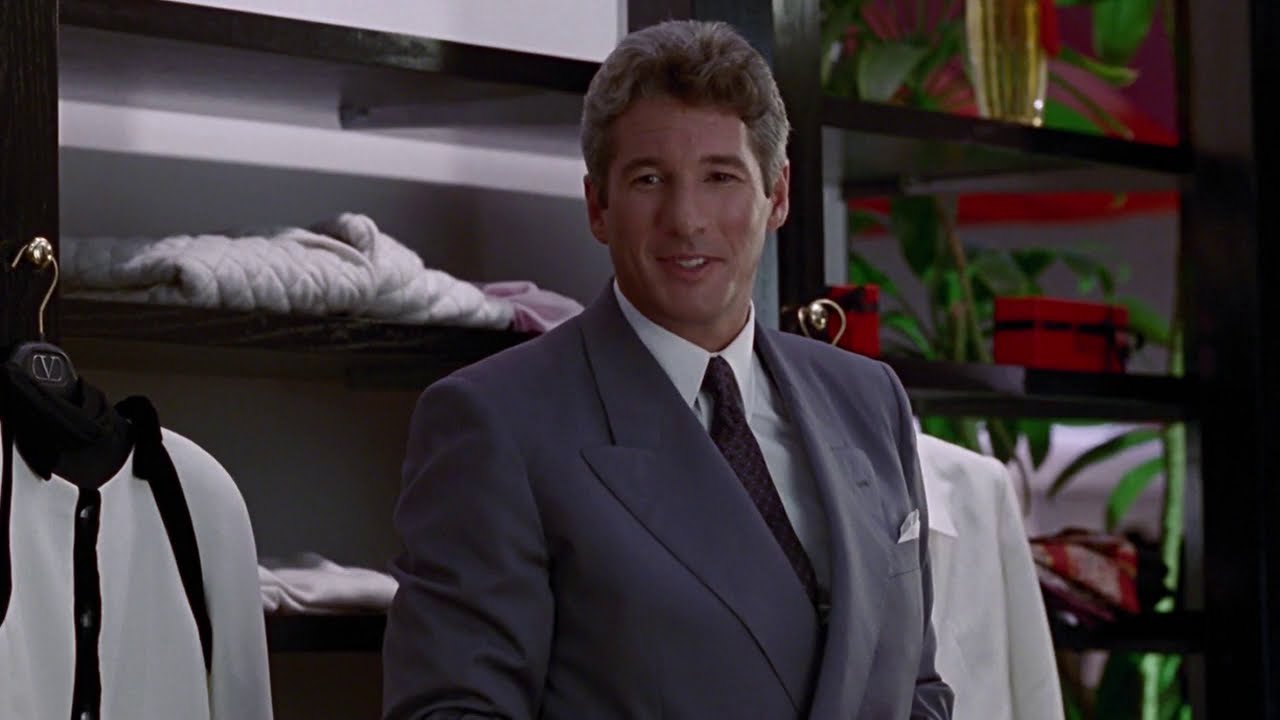
At its core, the premise sounds like something Hollywood could only get away with once. Edward Lewis (Richard Gere), a ruthless corporate raider who buys vulnerable companies just to dismantle and flip them for parts, gets lost on Hollywood Boulevard. Enter Vivian Ward (Julia Roberts), a sharp-witted, down-on-her-luck sex worker who agrees to navigate him back to Beverly Hills for twenty bucks.
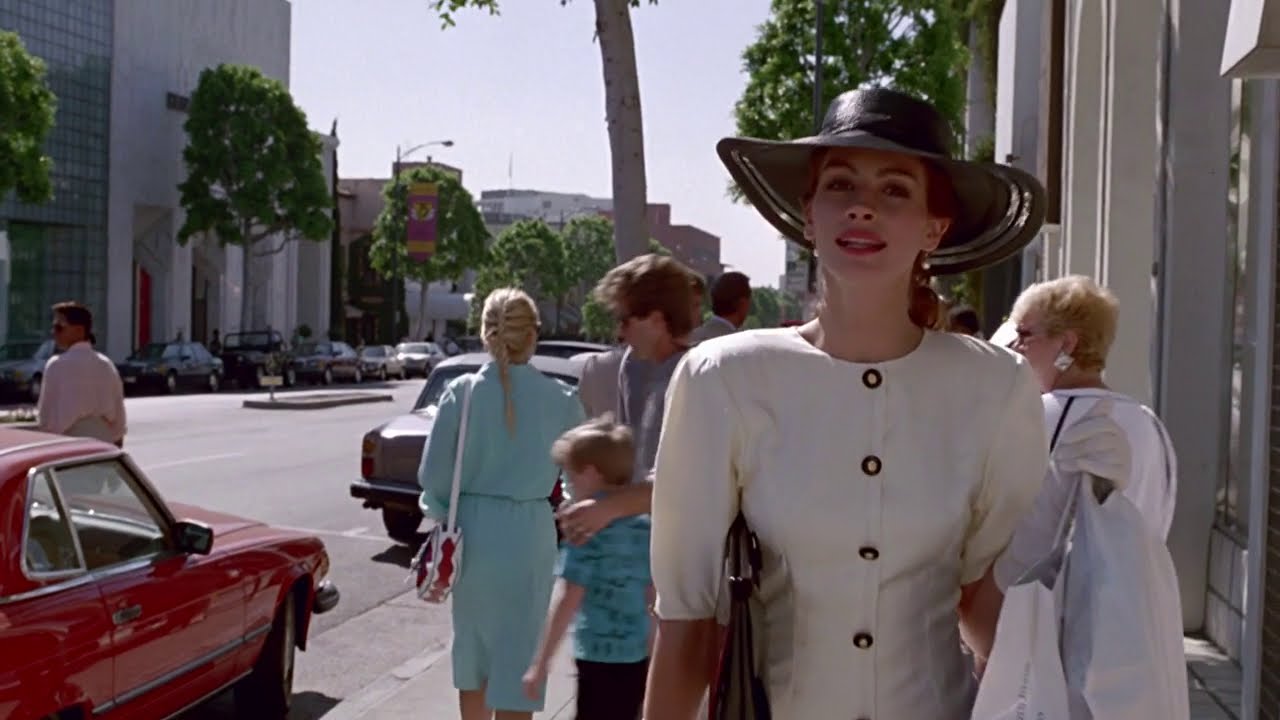
What starts as a quirky business transaction quickly morphs into something far more intimate. Edward hires Vivian for an entire week to play his polished corporate plus-one at business dinners, polo matches, and elite social events. In return, she gets cash, luxury penthouse living, and an open credit line on Rodeo Drive.
Mild spoilers ahead — nothing past the midpoint.
When the Fantasy Meets the Harsh Light of Reality
Here’s what most people miss when reminiscing about the movie: it didn’t start as a bubbly romantic comedy. The original script was a gritty, dark drama called $3,000, where Vivian’s struggles were painfully bleak. While director Garry Marshall infused it with magic and charm, the friction between Edward’s elite world and Vivian’s harsh reality never truly disappears.
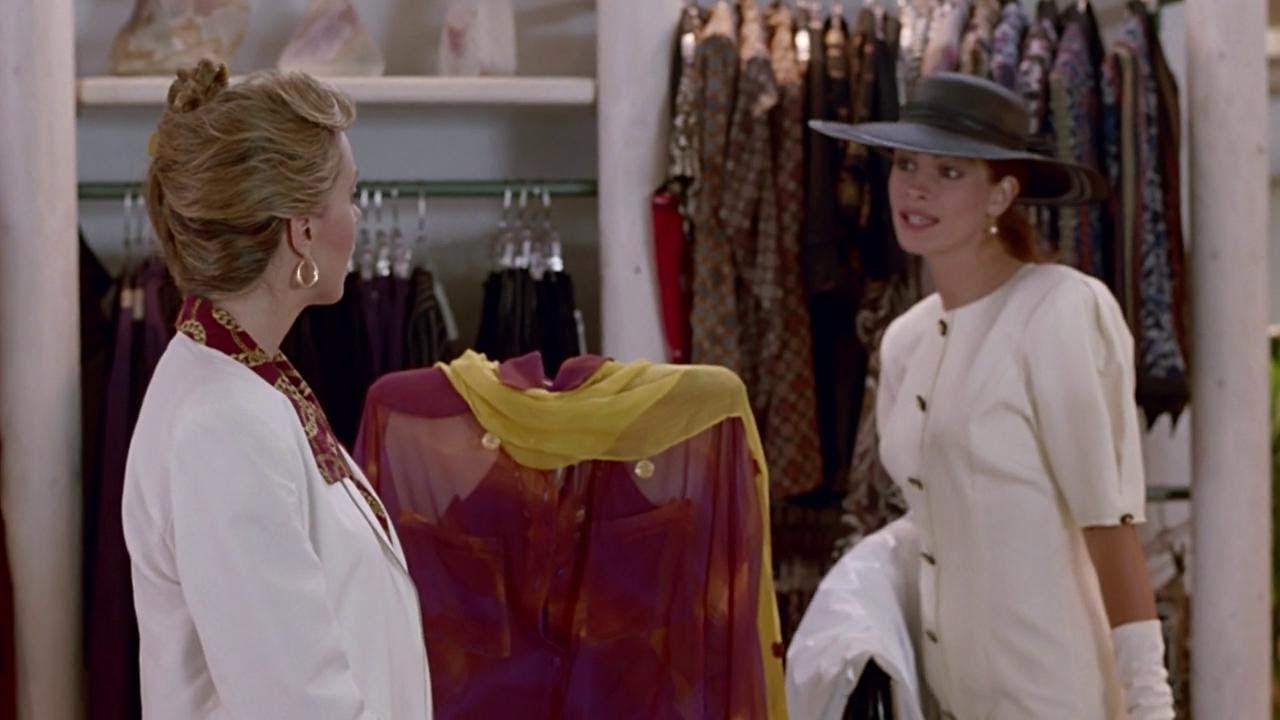
The turning point arrives right around the middle of their agreement. Vivian endures humiliating snubs from Beverly Hills boutique clerks, proving that a wad of cash can’t instantly buy respect in high society. Meanwhile, Edward begins softening, seeing corporate mergers not just as cutthroat profit, but through the human cost.
And then… everything changes.
Vivian discovers that playing a role in high society requires compromising parts of herself she vowed never to sell. Edward’s predatory lawyer, Stuckey, suspects there’s more to her presence than meets the eye, casting a dark cloud over what was supposed to be a breezy transaction. Can two people bound by a financial contract ever bridge the emotional abyss between them? That question hangs heavy over every glamorous dinner.
What Still Shines Bright
- Undeniable Star Chemistry: The electric, magnetic charisma between Roberts and Gere is lightning in a bottle. You simply cannot manufacture that kind of screen presence.
- Subversive Humor: Vivian’s biting wit and refusal to play the passive damsel give the character a fierce dignity.
- Timeless Aesthetic: From the polka-dot polo dress to the Beverly Wilshire penthouse, the visual style defined an entire decade of cinema.
Where Modern Audiences Might Cringe
- The Power Imbalance: Viewed through contemporary eyes, the extreme dynamic of ultra-wealthy older benefactor versus vulnerable young woman raises obvious red flags.
- Transactional Romance: The blurred line between business arrangement and genuine affection feels far more complicated today than it did in 1990.
Standout Moments You Won’t Forget
The iconic Rodeo Drive revenge scene—“Big mistake. Big. Huge!”—remains one of cinema’s most deeply satisfying triumphs over elitism. But it’s the quiet piano lounge sequence, where Edward plays classical melodies alone in the middle of the night and Vivian watches in silence, that reveals the melancholic soul of the film.
The Verdict: Pure Nostalgia or Dated Relic?
Rewatching it today is an intoxicating mix of nostalgia, starry-eyed charm, and sharp modern reflection. It may no longer be viewed as an uncomplicated fairytale, but Vivian’s warmth, resilience, and heart remain completely unforgettable.
What Viewers Are Saying
- Sarah M.: “Julia Roberts was pure magic. Yes, the premise is wild in hindsight, but their chemistry is unmatched.”
- David K.: “It’s fascinating how our perspectives evolve. A classic film, but definitely a product of its era.”
- Elena R.: “That opera scene still gives me goosebumps every single time!”
- Marcus T.: “People overanalyze it. It’s a Hollywood fantasy, and as entertainment, it’s flawless.”
- Chloe B.: “Rewatching it as an adult made me realize Vivian saved Edward just as much as he helped her.”
Frequently Asked Questions
Was Pretty Woman originally intended to be a dark drama?
Yes. The original script, titled $3,000, was a gritty, cautionary tale about addiction and exploitation before Disney acquired it and reshaped it into a romantic comedy.
Why was the famous necklace snap scene unscripted?
Director Garry Marshall orchestrated the prank with Richard Gere to make a tired Julia Roberts laugh. Her genuine, infectious reaction was so charming that Marshall kept it in the final cut.
Does the film hold up for modern audiences?
While modern viewers often scrutinize the power dynamics and premise more closely, the film endures thanks to its magnetic lead performances, sharp humor, and emotional heart.