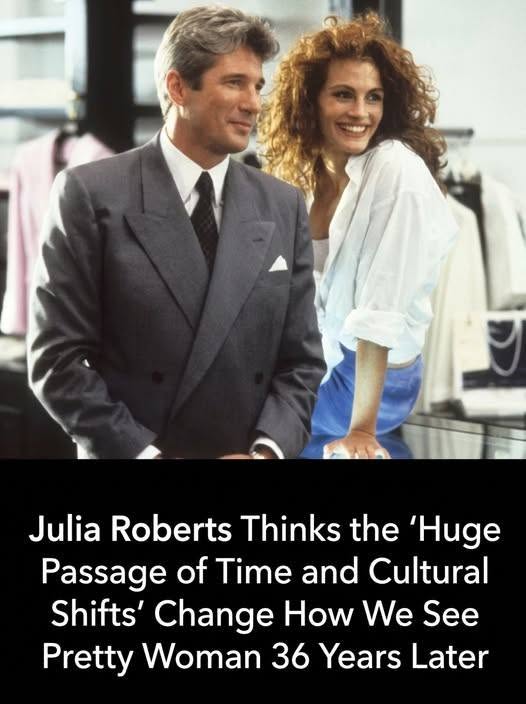
We all remember the iconic red gown, the unforgettable shopping spree on Rodeo Drive, and that dazzling Julia Roberts laugh that lit up the entire screen in 1990. For decades, Pretty Woman has been crowned as Hollywood’s undisputed gold standard of modern fairy-tale rom-coms. But when you revisit it today, something shifts.

Is it still the charming, heart-fluttering escapism we fell in love with, or does viewing it through a modern lens reveal something far more complicated?
The Fairytale That Captured the Entire World
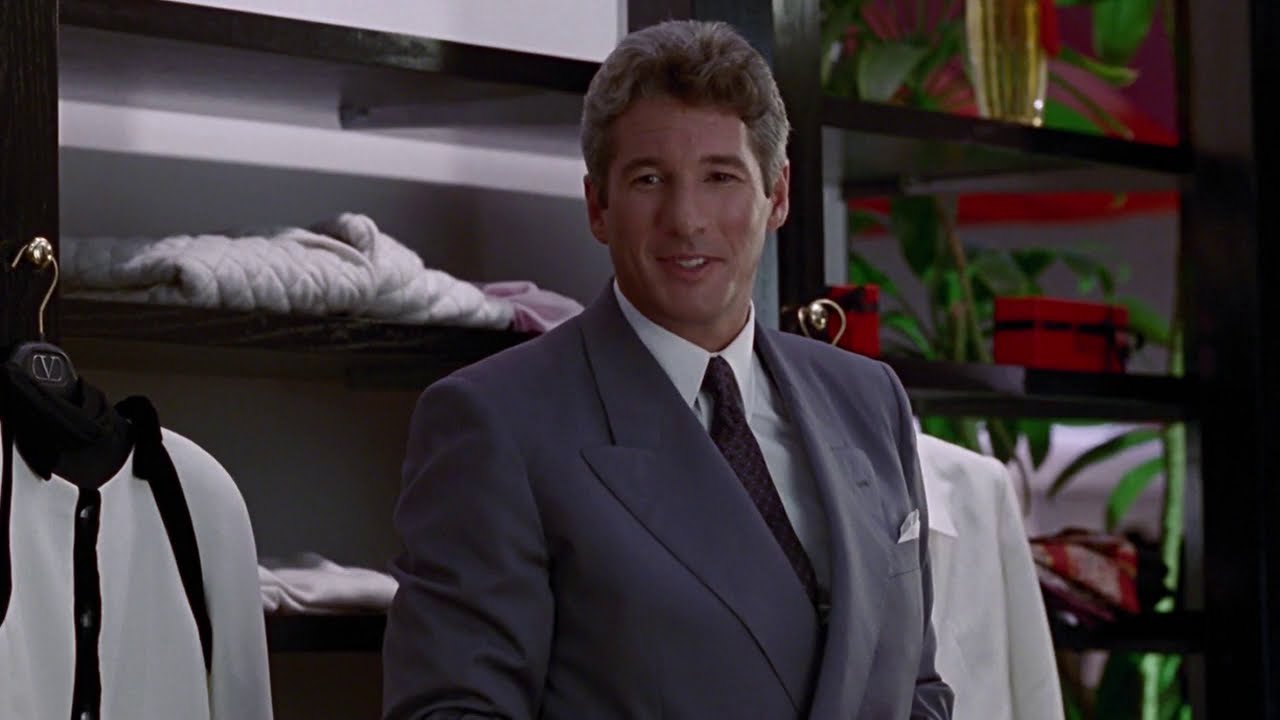
Directed by Garry Marshall, Pretty Woman introduced audiences to Vivian Ward, a free-spirited Hollywood Boulevard sex worker, and Edward Lewis, a ruthlessly detached corporate raider played with suave sophistication by Richard Gere. When Edward hires Vivian for a week to serve as his polished plus-one at elite social gatherings, the classic opposites-attract dynamic ignites an undeniable, once-in-a-generation romantic chemistry.
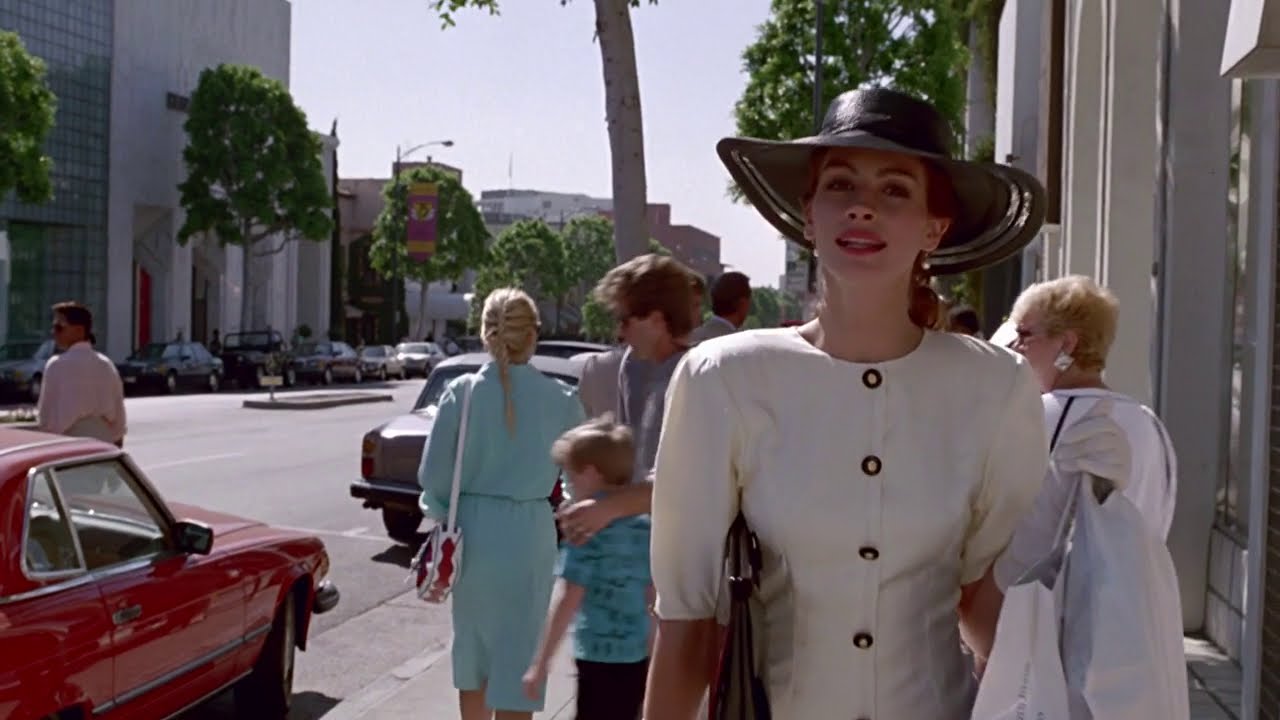
On paper, it felt like Cinderella with a bold, contemporary spin. Off-screen, it turned Julia Roberts into the biggest movie star on the planet overnight.
Mild spoilers ahead — nothing past the midpoint.
When the Fantasy Begins to Unravel
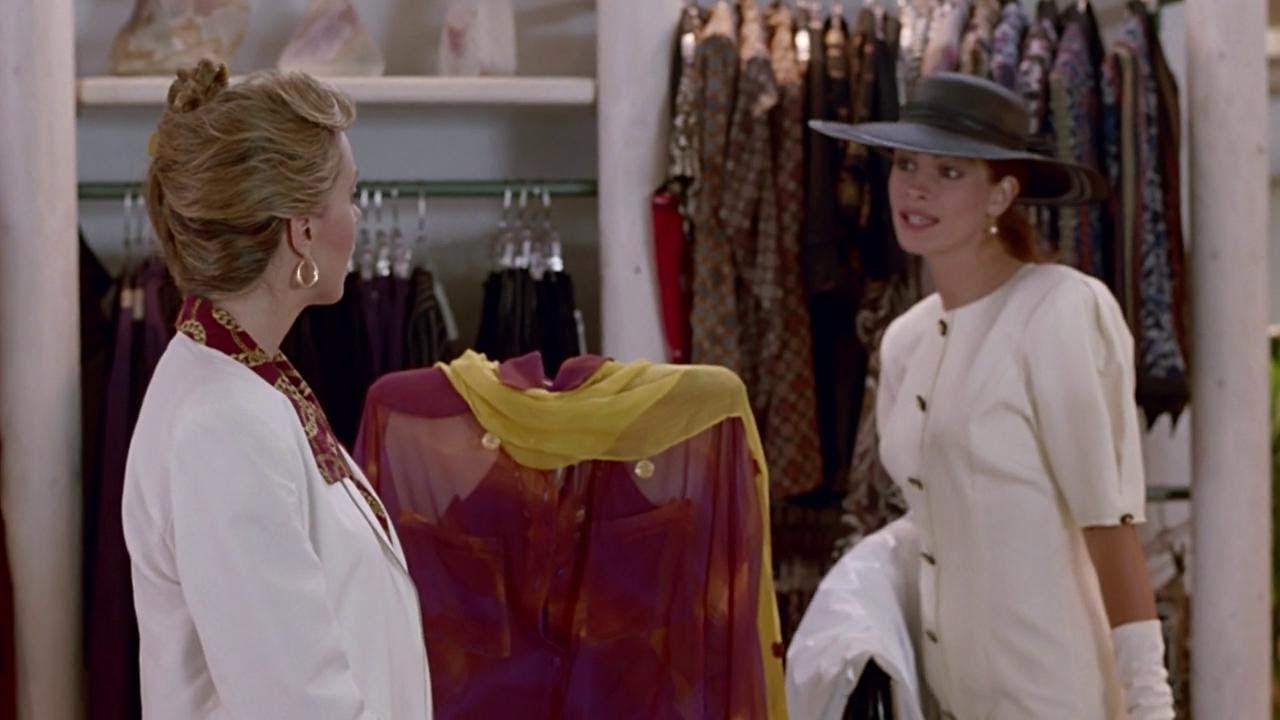
The magic begins to crack—in a deeply compelling way—the moment Vivian steps out of Edward’s luxury penthouse suite and into the sterile, high-end boutiques of Beverly Hills. The sheer cruelty of the saleswomen who refuse to serve her isn’t just a setup for that satisfying “Big mistake. Huge!” revenge moment. It cuts to the very core of how class, appearance, and social status dictate human dignity.
And then… everything changes.
As Edward teaches Vivian the unspoken etiquette of high society, Vivian inadvertently forces Edward to confront the cold, transactional ruthlessness of his corporate life. But that’s where things get interesting: Edward’s affection comes wrapped in money, power, and transactional control. Every glamorous perk Vivian receives is ultimately tied to a contract.
Here’s what most people missed during their first watch decades ago: Vivian isn’t dreaming of just being rescued. When Edward assumes his wealth can solve everything, the power dynamic collides head-on with her fierce desire for independence. Can a connection born out of a financial transaction ever evolve into true emotional equality? That question hangs heavy over every shared glance.
What Still Casts a Spell
- Unmatched Star Chemistry: The raw magnetism between Julia Roberts and Richard Gere remains electric. Every smile, hesitation, and spark feels genuinely spontaneous.
- Subversive Humor & Heart: Hector Elizondo’s role as the dignified hotel manager Barney Thompson grounds the movie with quiet warmth and unconditional empathy.
- Visual Nostalgia: The late-80s/early-90s aesthetic, sharp tailoring, and memorable soundtrack remain undeniably stylish.
Where Modern Audiences Might Pause
- The Power Asymmetry: The massive gulf in money and authority between Edward and Vivian can feel jarring to modern viewers sensitive to gender dynamics.
- Sanitized Realities: The film glosses over the harsh, dangerous realities of sex work to keep the tone light, whimsical, and palatable.
The Scene You’ll Never Forget
While the shopping revenge scene gets all the viral glory, the film’s true turning point occurs late at night at the hotel’s grand piano. When Vivian discovers Edward playing solitary, melancholic melodies in an empty lounge, the emotional mask slips. It’s the first time neither of them is performing a role, exposing raw vulnerability that transcends their financial agreement.
The Verdict: Does It Still Hold Up?
Revisiting Pretty Woman isn’t about tearing down a beloved classic; it’s about appreciating how a film can evolve alongside us. Strip away the fairy-tale sheen, and you find a surprisingly poignant study of loneliness, transactional intimacy, and self-worth. It remains a magnetic piece of Hollywood cinema, even if we now notice the shadows behind the sparkle.
What Viewers Are Saying
Sarah Jenkins: “Julia Roberts has more charisma in a single wink in this movie than most actors have in their entire careers.”
Marcus Vance: “Rewatched it last night for the first time in 15 years. The romance is fun, but the class commentary hits way harder now.”
Chloe Bennett: “Edward buying her clothes doesn’t hit the same way as Vivian refusing to compromise her self-respect.”
David Miller: “Still one of the best rom-com scripts ever written. The pacing and banter are pure gold.”
Elena Gomez: “It’s definitely a product of its era, but that piano scene will always give me chills.”
Frequently Asked Questions
Was Pretty Woman originally intended to be a dark drama?
Yes. The original script, titled $3,000, was a gritty, cautionary tale about drug addiction and sex work in Los Angeles before Disney acquired it and turned it into a romantic comedy.
Why was Julia Roberts’ casting so significant?
Although Roberts had received acclaim for Steel Magnolias, leading Pretty Woman solidified her as an international A-list superstar and earned her an Academy Award nomination for Best Actress.
Where was the iconic luxury hotel located?
The exterior and lobby scenes were filmed at the historic Beverly Wilshire Hotel in Beverly Hills, California.