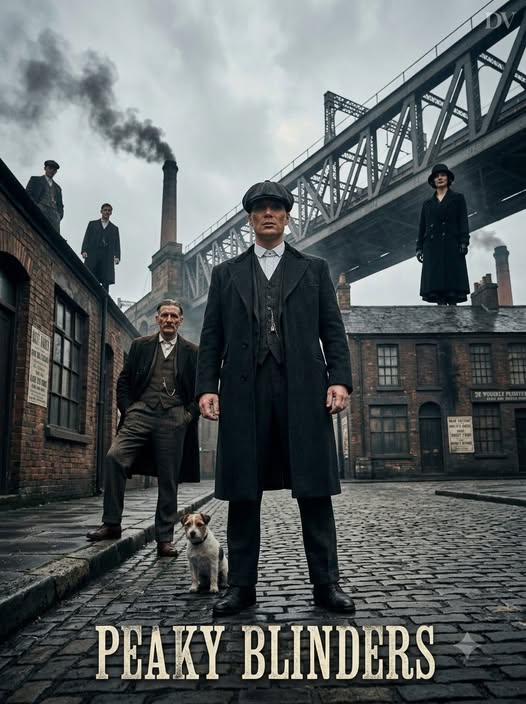
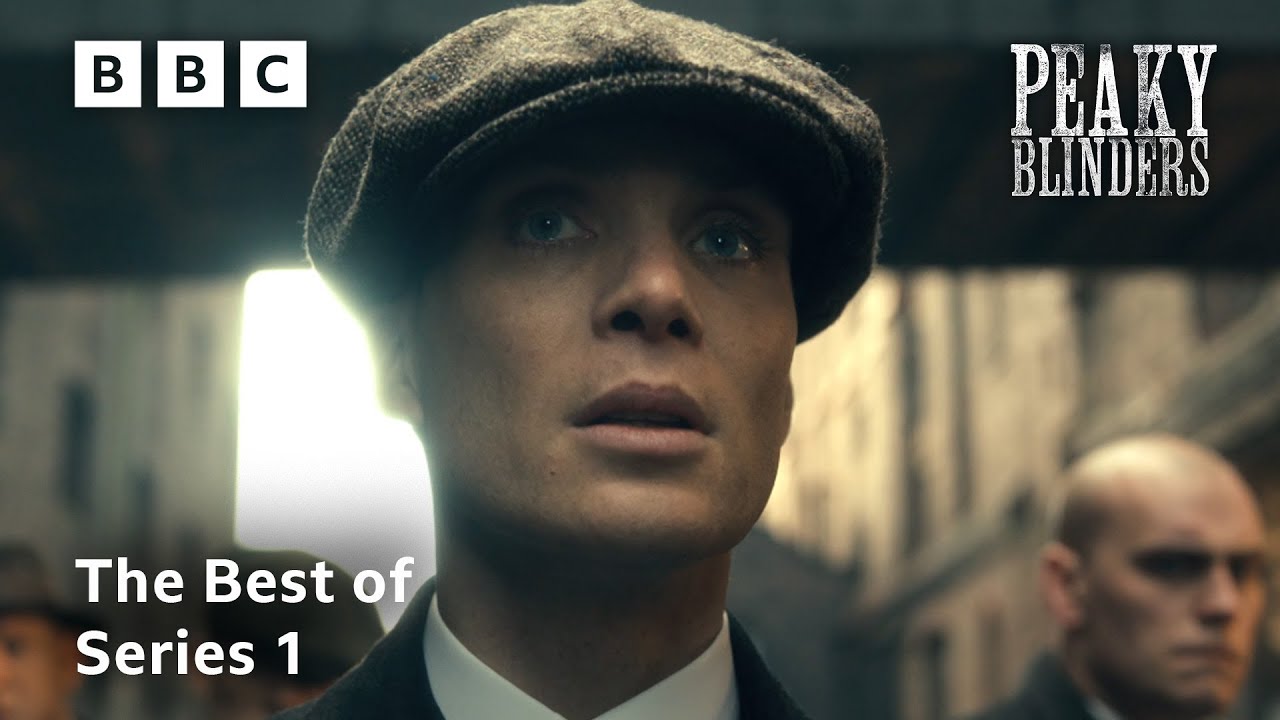
Few things in modern television hit with the sheer visceral weight of slow-motion razor gangs marching down a soot-choked Birmingham alleyway. You feel the grit in your teeth. You smell the cheap gin, the coal dust, and the unmistakable stench of inevitable betrayal. But just when you think Thomas Shelby has bought, outmaneuvered, or buried every ghost from his bloody past, the razor-thin veneer of his empire begins to crack wide open.

The Brutal Rise and Endless Shadows of Small Heath
Set against the harrowing backdrop of post-WWI England, Peaky Blinders isn’t merely a stylish gangster saga—it is an autopsy of war trauma masquerading as ruthless ambition. Returning from the mud and madness of the Somme, Thomas Shelby transforms his family’s neighborhood illegal bookmaking racket into an unshakeable commercial and political dynasty. The atmosphere is intoxicating: industrial gloom pierced by crimson fire, brooding slow-motion tracking shots, and a pulsing modern rock soundtrack that gives vintage period drama an electrifying, dangerous heartbeat.

Mild spoilers ahead — nothing past the midpoint.

Blood, Coal, and Reckoning: Where Ambition Turns Inward
What makes the central conflict so gripping is the terrible illusion of control. Tommy secures lucrative betting pitches, buys legitimate factory fronts, and maneuvers his way directly into the halls of British governance. But true power demands an impossible currency: total loyalty from a family that is fracturing under the sheer weight of his secrets.
And then… everything changes.
A calculated strike from resurrected rivals shatters the fragile peace Tommy spent years orchestrating. An ambush doesn’t strike at Tommy directly—it strikes at the emotional bedrock of the Shelby clan, forcing old wounds to bleed anew. But that’s where things get interesting. Rather than facing an enemy he can simply shoot in the streets, Tommy finds himself ensnared in a web of shadowy state forces, double agents, and ideological zealots who play by rules he cannot fathom. As whispers of an internal traitor begin circulating within the family council itself, one chilling question remains: can Tommy outthink a ghost when his own blood might be holding the knife?
What Elevates the Smoke: The Strengths
- Cillian Murphy’s Masterclass: A staggering performance of cold calculating genius barely concealing raw, hollowed-out grief. Every cigarette drag feels loaded with existential dread.
- Uncompromising Aesthetics: From tweed flat caps to cinematic industrial grime, the production design and moody cinematography are second to none.
- Complex Family Dynamics: The tension between Polly’s matriarchal intuition, Arthur’s explosive inner demons, and Tommy’s icy detachment grounds the violence in genuine tragedy.
Where the Fire Flickers: The Flaws
- Repetitive Mastermind Cycles: Tommy occasionally feels shielded by excessive plot armor, consistently having a three-steps-ahead contingency plan that strains credulity.
- Pacing Lulls: Secondary political negotiations occasionally stall the ferocious forward momentum of the gang warfare.
Standout Moments You Can’t Shake
Here’s what most people missed: it’s not the explosive shootouts that linger longest, but the quiet, suffocating standoffs across mahogany meeting tables. The breathless confrontation where Tommy locks eyes with a ruthless syndicate boss—unflinching while whiskey glasses rattle from distant artillery memories—is pure, unfiltered television perfection.
The Verdict: An Untouchable Titan of Television
Peaky Blinders remains an addictive, devastating triumph of modern television. It pulls no punches about the devastating personal cost of climbing to the top of a burning mountain. If you want raw tension, stylish ruthlessness, and complex characters who claw for survival at any cost, this is non-negotiable viewing.
What Viewers Are Saying
- Marcus Vance: “Cillian Murphy doesn’t act Tommy Shelby; he completely inhabits the trauma. That mid-series tension had me pacing the floor.”
- Clara Higgins: “The cinematography alone makes this legendary, but watching the Shelby family fracture from within is genuinely heartbreaking.”
- David Miller: “Hands down the most stylish crime drama ever made. The soundtrack choices during the gang confrontations give me chills every time.”
- Sarah Jenkins: “You spend half the time wanting Tommy to win and the other half terrified of who he’s turning into.”
- Liam O’Connor: “The political maneuvering in the later acts kept me hooked until 3 AM. Incredible writing.”
Frequently Asked Questions
Is Peaky Blinders based on true historical events?
The real Peaky Blinders were a street gang active in Birmingham in the late 19th and early 20th centuries. While the show draws heavy inspiration from historical events and real-life figures, the Shelby family narrative and their overarching political empire are fictional dramatizations created by Steven Knight.
Do I need to be a fan of period dramas to enjoy the show?
Not at all. With its sharp pacing, gritty cinematography, and hard-hitting alternative rock soundtrack featuring Nick Cave, Arctic Monkeys, and PJ Harvey, the show feels more like an adrenaline-fueled gangster thriller than a traditional costume drama.
Is the series completed, or are there future stories planned?
The mainline television series concluded after six seasons, though the story has officially been confirmed to continue through a feature-length film that expands upon the dramatic fallout of the Shelby family’s legacy.