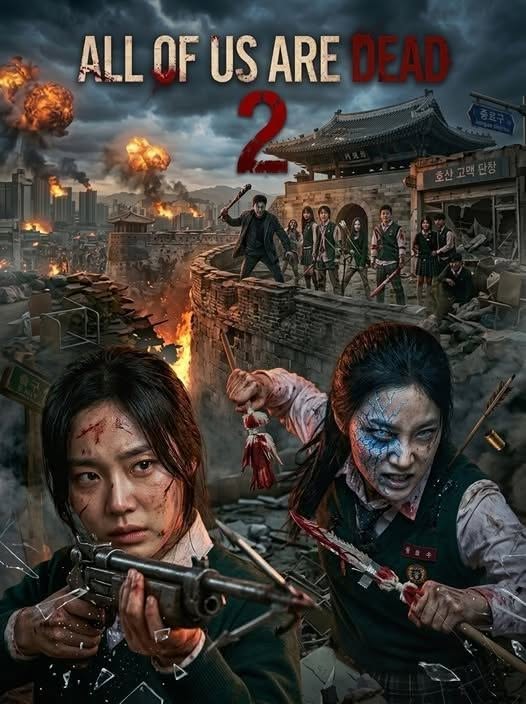
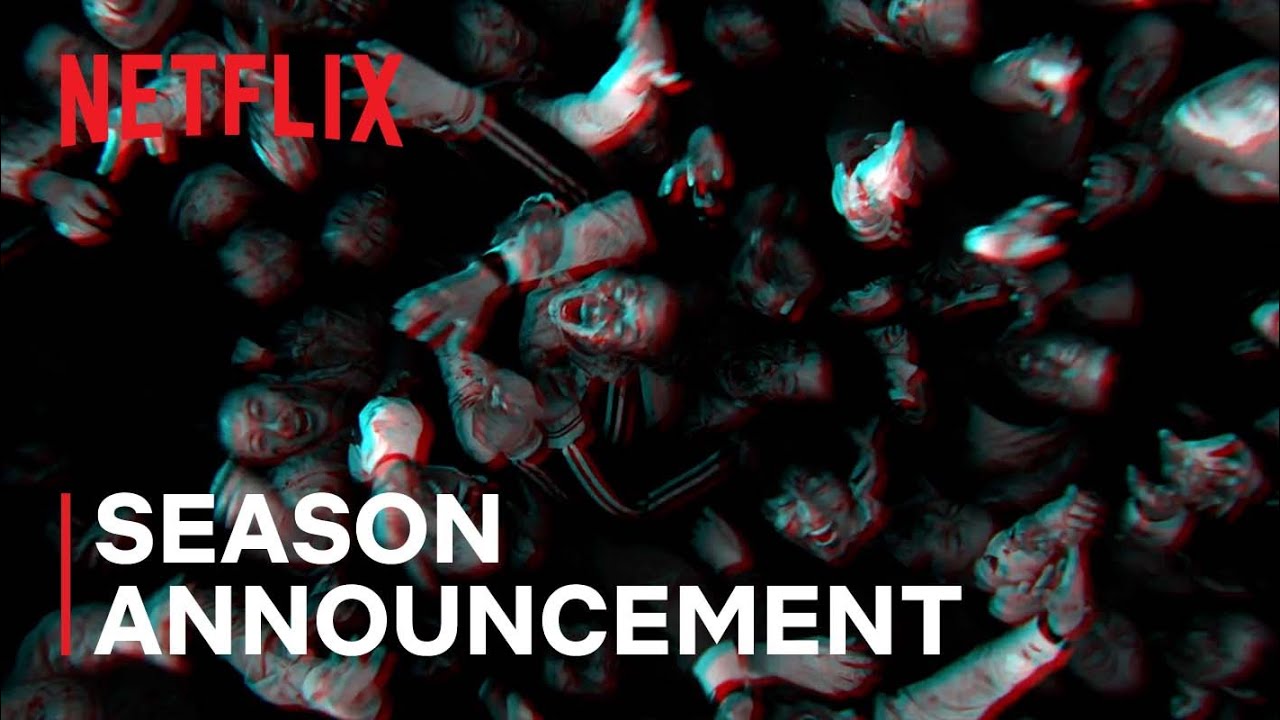
If you thought escaping Hyosan High was the hard part, think again. The nightmare didn’t end when the school gates fell—it merely evolved. When the viral outbreak breaches containment and spills out across the ruins of an entire city, survival is no longer about barricading doors or finding a can of peaches. It’s about facing what comes after the world collapses.

Beyond the Bleachers: The World After Hyosan
Season 2 takes the adrenaline-fueled claustrophobia of the original series and violently blows open the perimeter. We are no longer trapped in stairwells and music rooms; the infection is everywhere, urban centers lie in charred ruins, and whatever remnants of society remain are fraying under military curfews and raw paranoia. The tone shifts seamlessly from classic Korean high school survival horror into a sweeping, gritty post-apocalyptic thriller that explores the brutal aftermath of human tragedy.

Mild spoilers ahead — nothing past the midpoint.

The Lines We Cross: Evolving Nightmares
The core group of survivors is battered, hardened, and carrying unimaginable trauma. Yoon Chan-young returns with an astonishing presence, delivering a performance grounded in grit and protective urgency that immediately elevates the emotional stakes. Alongside him, Park Ji-hu gives voice to the suffocating survivor’s guilt that lingers long after running away from the undead.
And then… everything changes.
The narrative pivots from sheer evasion to a terrifying realization: the virus itself is evolving in unpredictable, chilling ways. Cho Yi-hyun’s return amplifies the mystery tenfold, navigating the eerie, liminal space between human consciousness and predatory impulse. What happens when the infected aren’t just mindless biting corpses, but something far more organized—and sentient?
Here’s what most people missed during the early chaos: survival isn’t just about fighting monsters outside the gates. The real horror lies in what desperation turns people into when supplies dry up and trust evaporates. By the midpoint turning point, the survivors find themselves caught in a crossfire between military forces treating everyone as potential carriers and mutated threats lurking in the urban shadows. But that’s where things get truly interesting.
What Hits Hard: The Highs
- Expanded World-Building: Escaping the high school campus injects fresh, cinematic scale, turning cityscapes into sprawling tactical obstacle courses.
- Raw Emotional Gravity: The emotional anchor remains rock solid. The trauma isn’t magically brushed aside; it drives every desperate decision and fractured relationship.
- Chilling Mythology Expansion: The evolution of the half-zombies (hambies) introduces complex moral dilemmas and high-tension dynamics.
Where It Stumbles: The Lows
- Relentless Bleakness: The show leaves virtually no room for levity, which can feel emotionally exhausting during back-to-back episodes.
- Pacing Swings: The sudden jump between expansive tactical warfare and intimate character angst can occasionally feel jarring.
Standout Moments That Will Keep You Glued
- The harrowing opening sequence tracking the collapse of safety zones across the city.
- A heart-stopping, silent standoff in an abandoned subway terminal where breathing too loudly means instant death.
- An emotionally devastating confrontation between survivors over how to treat an infected companion showing self-awareness.
The Final Verdict: An Intense, Gripping Return
All of Us Are Dead Season 2 refuses to simply rehash the formula that made its predecessor a global phenomenon. It pushes deeper into existential dread, asking whether staying alive is worth the cost if you lose your humanity in the process. It’s darker, heavier, and completely unmissable for fans of intense zombie survival drama.
What Viewers Are Saying
- Marcus Vance: “The scale this season is massive! It felt like an all-out war movie disguised as a K-drama.”
- Sarah Jenkins: “I was on the edge of my seat the entire time. The tension between the survivors is so heartbreakingly realistic.”
- Tyler Brooks: “Yoon Chan-young and Cho Yi-hyun completely stole every single scene they were in.”
- Elena Torres: “Darker than Season 1, but in the best way possible. That midpoint twist blew my mind.”
- David Miller: “They took the zombie genre and gave it real emotional depth. Binge-watched it in a single weekend!”
- Chloe Bennett: “The way the virus behaves now is genuinely terrifying. Nothing feels safe anymore.”
Frequently Asked Questions
Do I need to rewatch Season 1 before starting Season 2?
While the story provides enough context for the immediate stakes, revisiting Season 1 will give you a much deeper appreciation for the personal trauma and relationships between the survivors.
Is the school still a central location in Season 2?
No. Season 2 shifts the battle entirely beyond the walls of Hyosan High, exploring the wider quarantine zones, desolate streets, and the larger world outside.
Does Season 2 lean more into action or emotional drama?
It balances both effectively: while the action sequences and zombie set pieces are bigger and more cinematic, the core narrative focuses heavily on survivor guilt and moral choices.