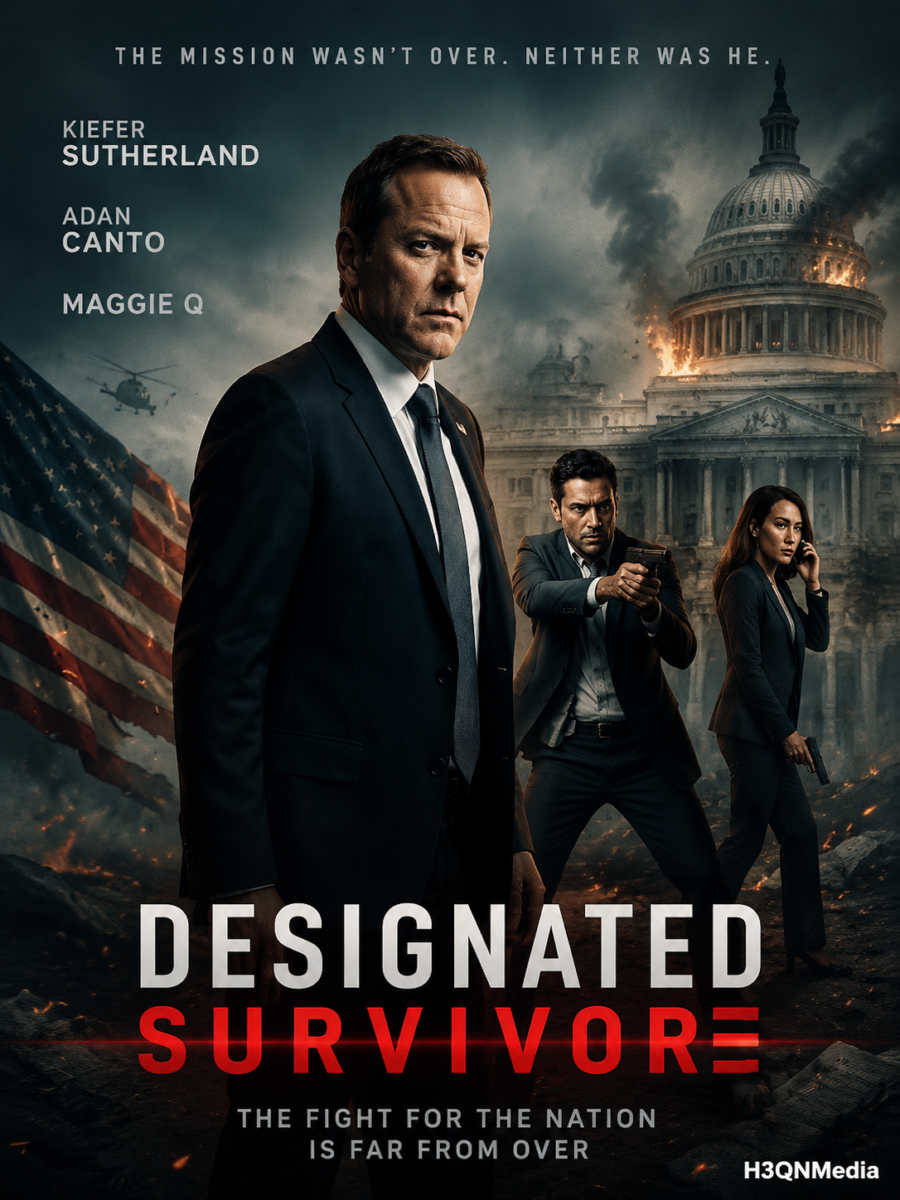

Nobody expected Tom Kirkman to walk back into the Oval Office, especially not under circumstances this catastrophic. When the Capitol went dark the first time, it felt like an impossible lightning strike. But this time around? The strike doesn’t come from the shadows outside—it comes directly from the foundations of the republic itself.

The Return of the Reluctant Commander-in-Chief
Set against the backdrop of an unprecedented institutional collapse, Designated Survivor: The Final Crisis resurrects Kiefer Sutherland’s iconic role with raw urgency. When a sudden, synchronized blackout blinds Washington, D.C., federal agency networks flatline, top cabinet members vanish into thin air, and classified protocols are compromised. Kirkman is thrust back into command not just to keep the peace, but to physically hold the government together as the world watches America wobble on the edge of the abyss.

Behind the White House Walls
Mild spoilers ahead — nothing past the midpoint.

The tension kicks into overdrive within the first twenty minutes. While Kirkman scrambles to restore executive order from a secure bunker, veteran allies Hannah Wells (Maggie Q) and Aaron Shore (Adan Canto) spearhead a desperate covert operation across a burning capital to find out who severed the Pentagon’s emergency command line.
And then… everything changes.
A recovered encrypted server doesn’t point to foreign aggressors or rogue terror networks. Instead, every single access log, biometric sign-in, and authorization key leads right back to the West Wing. Wells discovers that the physical strike was never designed just to topple leadership—it was an elaborate distraction engineered to deploy a shadow constitution and dismantle the democratic chain of command from within. But who authorized the code that gave the conspirators absolute administrative control?
What Hits the Mark
- Relentless Pacing: The narrative refuses to take a breath, keeping every scene packed with claustrophobic political urgency.
- Sutherland’s Emotional Gravitas: Sutherland plays an older, battle-hardened Kirkman whose moral compass is pushed further than ever before.
- Tense Investigative Work: The boots-on-the-ground conspiracy hunt led by Maggie Q injects gritty, high-stakes tactical thrills.
Where It Stumbles
- Familiar Tropes: Seasoned political thriller fans will see a few classic institutional betrayal beats coming from a mile away.
- Frenetic Narrative Cuts: Switching constantly between deep-bunker debates and high-octane street shootouts occasionally disrupts the story’s emotional rhythm.
Standout Moments
Here’s what most people missed during the frantic first act: the chilling 60-second standoff where Kirkman realizes his emergency broadcast is broadcasting a pre-recorded deepfake override to the nation. Watching Sutherland’s calm facade crack as the realization dawns is worth the price of admission alone.
The Final Verdict
If you have missed gripping, white-knuckle political drama where every handshake hides a dagger, this installment is an adrenaline rush straight to the chest. It reminds us why Tom Kirkman resonated so deeply in the first place—a decent man navigating an ocean of wolves. It leaves your heart pounding, desperately wanting to know whether the presidency can truly survive its own deepest secrets.
What Viewers Are Saying
Marcus Vance: “That bunker reveal gave me chills. Sutherland is unstoppable as Kirkman.”
Elena Brooks: “The pacing is insane. Maggie Q’s field scenes had me glued to the edge of my seat.”
Derek Jenkins: “Finally, a political thriller that actually understands high-stakes cyber warfare and paranoia.”
Samantha Reed: “I screamed at the TV when the system logs showed up on screen. What a hook!”
Tyler Hayes: “Intense, grounded, and terrifyingly plausible. Kirkman’s finest crisis yet.”
Frequently Asked Questions
Is this a direct continuation of the original series?
It acts as an expansive standalone event that builds upon Tom Kirkman’s legacy, throwing his established leadership team into an entirely new high-scale national catastrophe.
Do I need to rewatch all previous seasons to understand the plot?
No. While long-time fans will catch subtle callbacks, the core crisis, conspiracy, and political stakes are established cleanly right from the start.
How much action is there compared to political drama?
The story strikes an even balance: roughly half the narrative focuses on high-level Oval Office crisis management, while the other half delivers tactical, covert action sequences across Washington.