When we talk about pure, terrifying dedication in modern cinema, only one name immediately freezes the room: Christian Bale. Most actors show up to set, hit their marks, and let clever lighting or CGI handle the heavy lifting. Not Bale. For over two decades, this man treated his own anatomy like malleable clay—shrinking down to visible bones one year, then bulking up to a monolithic superhero the next. It wasn’t just acting; it was borderline biological warfare on himself.

The Chameleon Who Shattered Hollywood’s Comfort Zone
Hollywood loves a good workout montage, but what Christian Bale did throughout the 2000s completely redefined method acting. He didn’t just inhabit characters mentally; he physically morphed into their suffering, their privilege, and their rot. Looking back at his filmography feels less like reviewing a career and more like examining medical charts of someone testing the absolute thresholds of human survival.

Mild spoilers ahead — nothing past the midpoint.

From 121 Pounds to Gotham’s Dark Knight: The Shocking Cycle
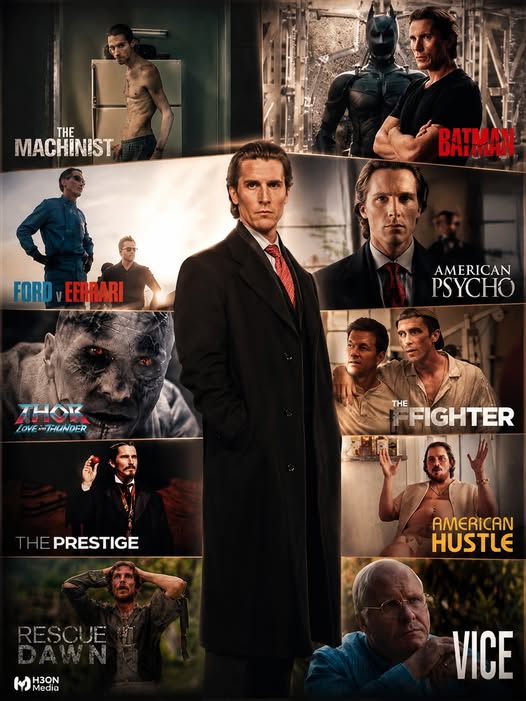
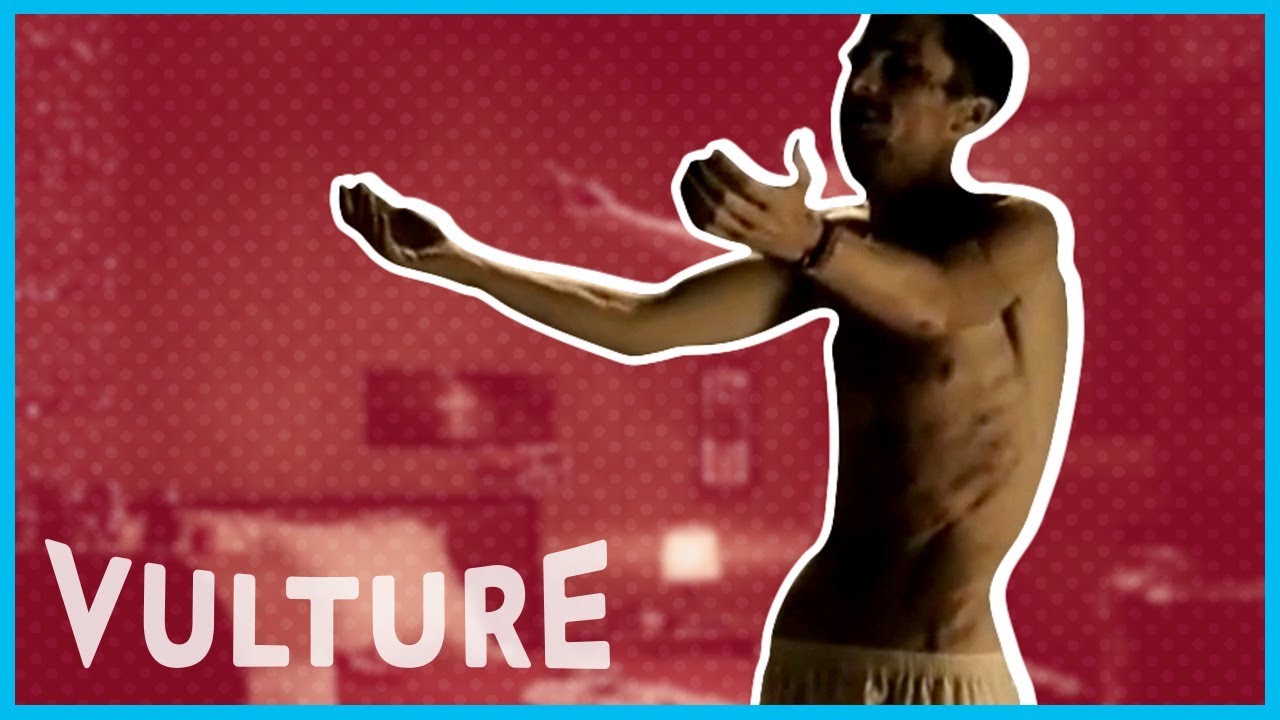
The story everyone still whispers about began in 2004 with The Machinist. To portray the insomnia-ridden Trevor Reznik, Bale slashed his diet to an apple, water, and a cup of black coffee a day, whittling his frame down to an alarming 121 pounds. Producers famously begged him to stop before his heart gave out.
And then… everything changes.
Just five months after wrapping that skeletal nightmare, Christopher Nolan tapped him for Batman Begins. Instead of taking a safe, steady year to recover, Bale immediately inhaled high-protein diets and brutal weightlifting regimens. He gained nearly 100 pounds—packing on so much dense muscle and mass that he initially couldn’t even fit into the batsuit. Think about what that kind of violent metabolic whiplash does to a human body. But that’s where things get interesting.
Just when critics thought he’d stay comfortably in superhero shape, Bale pivoted again. He shed pounds to play an emaciated addict in The Fighter (which won him an Oscar), ballooned into a paunchy, donut-fueled con man for American Hustle, and threw himself into heavy weight gain and neck-thickening exercises to embody Dick Cheney in Vice. Every single time, the industry held its breath, wondering if this would be the role that broke him permanently.
Why His Dedication Elevated Cinema
- Unmatched Authenticity: You cannot fake the hollow sunken eyes of true starvation or the heavy, plodding gate of real visceral weight.
- Total Commitment to the Story: Bale never changed his appearance for vanity; every ounce gained or lost directly served the psychology of the script.
- Redefining the Leading Man: He proved that a prestigious A-list star could throw away conventional good looks to deliver uncompromised art.
The Harrowing Toll on the Body
- Severe Health Risks: Rapid shifts between extreme malnutrition and heavy bulking put massive strain on cardiac and metabolic health.
- Unrealistic Industry Expectations: His extreme stunts set a dangerous precedent for younger actors feeling pressured to pull off risky physical transformations.
The Turning Point That Changed Everything
Here’s what most people missed: the moment Bale realized the clock was ticking. After wrapping Vice and preparing for Ford v Ferrari, where he had to drop 70 pounds rapidly once more, the reality of mortality finally hit home. He publicly declared that his days of playing biological roulette were officially over. The body simply cannot endure endless cycles of self-inflicted shocks forever.
The Final Verdict
Christian Bale’s legacy isn’t just marked by trophies or box office receipts; it is carved into his very frame. Watching his classic filmography today carries an underlying tension—a haunting reminder of an artist who genuinely risked his life for our entertainment. He gave cinema everything he had, right down to the marrow, leaving behind a standard that may never be matched—and honestly, for the safety of actors everywhere, perhaps never should be.
What Viewers Are Saying
- Marcus Vance: “Watching The Machinist right before Batman Begins feels like looking at two completely different human beings. Absolutely insane discipline.”
- Elena Brooks: “I still don’t understand how his heart handled that level of whiplash. Truly terrifying dedication.”
- David Campbell: “He earned every single award he ever received. Nobody commits to the psychological weight of a character quite like Bale.”
- Sarah Jenkins: “American Hustle and Vice proved he didn’t care about looking cool or handsome—he only cared about the truth of the role.”
- Toby Miller: “I’m honestly just glad he stopped doing it. We want him around making great movies for decades to come.”
Frequently Asked Questions
How much weight did Christian Bale lose for The Machinist?
He dropped roughly 60 pounds, bringing his total weight down to around 121 pounds on an extreme, medically unadvised deficit diet.
How quickly did he bulk up for Batman Begins?
Bale had approximately five to six months to recover and put on nearly 100 pounds of muscle and mass to convincingly play Bruce Wayne.
Will Christian Bale ever do extreme weight changes again?
No. Bale has stated in multiple interviews that he has permanently retired from dramatic weight gains and losses to prioritize his long-term health and family.