Some movies fade the second the credits roll. Others carve a permanent scar into your cinematic memory. Twenty years later, Tony Scott’s gritty, sun-baked vengeance thriller still hits like a freight train, anchored by a rare kind of on-screen magic that Hollywood rarely manages to capture anymore.

The Broken Bodyguard and the Girl Who Saved Him
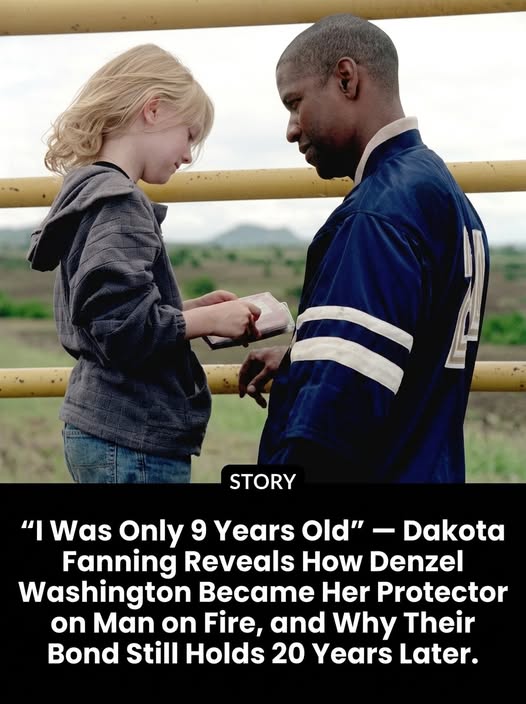
Set against the perilous backdrop of Mexico City during an epidemic of kidnappings, the story centers on John Creasy—a burnt-out, alcoholic former CIA operative drowning in regret and looking for an excuse to pull the trigger on himself. When an old friend secures him a low-stakes bodyguard gig protecting Lupita “Pita” Ramos, the precocious young daughter of a wealthy industrialist, Creasy wants nothing to do with her warmth.

He builds walls of steel. She chips them down with sheer innocence, persistent curiosity, and unwavering trust. Before he even realizes what’s happening, the broken soldier finds a reason to keep breathing.

Mild spoilers ahead — nothing past the midpoint.
When the World Bleeds: The Kidnap That Changed Everything
Just when Creasy begins to believe redemption might actually be possible for a man with blood on his hands, tragedy strikes in broad daylight. Following Pita’s piano lesson, a coordinated ambush erupts into an intense shootout in the crowded streets.
Creasy fights like a cornered animal, absorbing catastrophic bullet wounds to shield her, but is overpowered. Pita is violently abducted, vanished into the merciless machinery of a corrupt kidnapping syndicate known as “La Hermandad.”
And then… everything changes.
Waking from a coma only to learn the ransom exchange went disastrously wrong and Pita is presumed dead, Creasy discards whatever humanity he had left. He makes a chilling vow to the grief-stricken mother: anyone who was involved, anyone who profited, anyone who even looked at that little girl will burn.
But that’s where things get interesting. As Creasy systematically cuts through the criminal underworld, he begins uncovering clues pointing toward high-level police collusion and betrayal far closer to home than anyone imagined. Here’s what most people missed: Creasy isn’t simply executing revenge; he’s pulling apart a web of deception where every confession reveals another layer of corruption—leaving viewers desperate to know who really orchestrated the betrayal, and whether Pita’s fate was truly sealed.
What Makes It Timeless
- Unmatched Chemistry: The tender, electric dynamic between Denzel Washington and Dakota Fanning forms the undeniable beating heart of the movie. Fanning’s performance remains one of the finest child acting turns in film history.
- Tony Scott’s Kinetic Style: Hand-cranked cameras, disorienting multi-exposures, and dynamic subtitles transform a straightforward revenge tale into a feverish sensory nightmare.
- Unapologetic Rawness: It doesn’t flinch. Creasy’s vengeance isn’t stylized or glamorous—it feels desperate, brutal, and deeply personal.
Where It Stumbles
- Aggressive Visual Editing: The relentless strobe effects and rapid-fire cuts can occasionally feel overwhelming or dated for viewers sensitive to heavy 2000s MTV-style grading.
- Deliberate Pacing Shift: The film takes nearly an hour building character relationships before transitioning abruptly into a relentless bloodbath, which can catch adrenaline-seeking viewers off guard.
Standout Moments You Can’t Shake
The quiet swimming lesson scene stands tall above the gunfire. Creasy teaches Pita to conquer the starter pistol’s crack, telling her, “There is no such thing as tough. There is trained at best, and untrained at worst.” When she wins her race, Creasy’s subtle, proud smile speaks louder than any explosion.
Final Verdict
Man on Fire isn’t just an action flick—it’s an emotional gut punch wrapped in barbed wire. It proves that revenge thrillers only resonate when the loss genuinely shatters the audience first. If you haven’t revisited this modern classic recently, prepare to have your heart broken and your pulse hammered all over again.
What Viewers Are Saying
- Marcus Vance: “That bond between Denzel and Dakota is undefeated. You completely understand why Creasy goes scorch-earth on the entire city.”
- Sarah Jenkins: “I went in expecting typical mid-2000s shootouts and came out bawling my eyes out. Absolute masterclass from Tony Scott.”
- Elena Brooks: “The transition from suicidal depressive to an unstoppable force of nature is Denzel at his absolute peak.”
- Tyler Reed: “Dakota was so young here, yet held her own against one of the greatest actors alive without missing a beat.”
- David Miller: “The music, the raw Mexican street atmosphere, and that relentless tension—they simply don’t make thrillers like this anymore.”
Frequently Asked Questions
Is Man on Fire based on a true story?
The film is adapted from A.J. Quinnell’s 1980 novel, which drew inspiration from real-life high-profile kidnapping cases in Italy, though the film relocated the action to modern-day Mexico City.
Did Denzel Washington and Dakota Fanning ever work together again?
Yes! Nearly two decades later, the duo reunited on-screen in 2023 for The Equalizer 3, bringing their legendary dynamic full circle.
Who directed Man on Fire?
The film was directed by legendary filmmaker Tony Scott, celebrated for his visually kinetic style in classics like Top Gun, True Romance, and Crimson Tide.