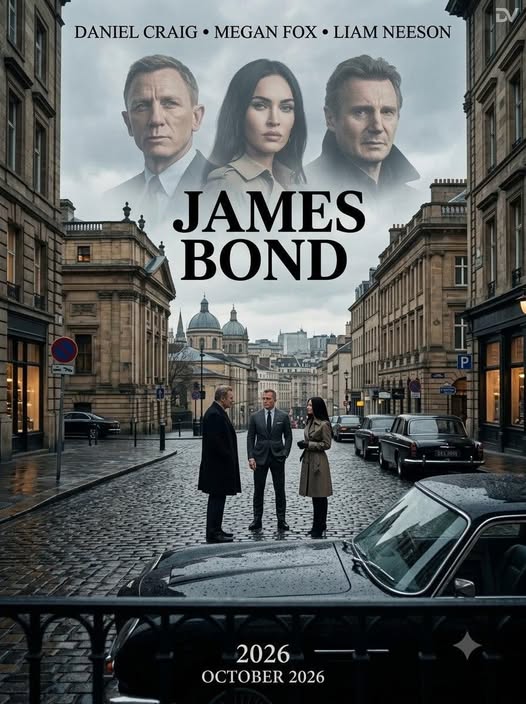

I went into this screening expecting the usual martini-sipping, tuxedo-clad spectacle we have watched for decades. Within twenty minutes, my jaw hit the floor. The new 007 film does not just reset the stakes—it throws the rulebook into an incinerator and asks if Britain’s finest can survive an era that has completely figured him out.

The Setup: A Ghost From Inside MI6
The premise wastes zero time on nostalgia. A surgical strike in Vienna collapses into absolute slaughter before the opening titles even drop. James Bond is thrust into a pan-European manhunt where every contingency protocol fails in sequence. It feels relentless, suffocating, and terrifyingly modern.

For the first time in cinematic history, Bond is not hunting a megalomaniac in a mountain bunker. He is being hunted by an invisible syndicate that anticipates MI6 counter-tactics down to the second. But that’s where things get interesting.

Mild spoilers ahead — nothing past the midpoint.
The Midpoint Fracture: Trust as a Loaded Gun
Here is what makes the narrative fire on all cylinders: Bond is forced into a shaky field alliance with two rogue operatives whose loyalties are murky at best. Every encrypted lead they follow in Berlin and Tangier points back to classified MI6 field logs that only a handful of senior officials could ever access.
And then… everything changes.
Around the forty-minute mark, Bond realizes the enemy is not intercepting his comms. They are using an algorithmic model built directly from his own psychological profiles and past operational habits. The villain knows what 007 will do before 007 even unholsters his Walther PPK. When an extraction in Prague turns into an ambush orchestrated using Bond’s own signature escape route, the dread sets in: how do you outmaneuver an adversary who is effectively you?
Where It Soars
- Bone-crunching choreography: The close-quarters combat strips away polished gadgetry in favor of raw, brutal survival.
- Relentless pacing: The cat-and-mouse tension across continental safehouses never gives you room to catch your breath.
- Fascinating dynamic: The trio dynamic introduces authentic paranoia—every glance between the operatives carries lethal subtext.
Where It Stumbles
- Overdense exposition: A few early tech-briefing sequences get bogged down in jargon before the action kicks back into gear.
- Underutilized side players: Certain legacy allies feel momentarily sidelined to keep the laser focus on the core three operatives.
Moments That Stunned the Theater
Here’s what most people missed during the frantic rooftop sequence in Budapest: the subtle sound design strips out the iconic brass theme entirely, leaving only deafening silence and echoing footsteps. It amplifies the terrifying realization that Bond is completely isolated.
The Verdict: A Rebirth Worth the Hype
James Bond (2027) delivers the exact adrenaline shock this franchise desperately required. It honors the legacy while forcing its hero into moral and tactical territory he has never navigated. If this is the direction espionage cinema is heading, count me in on day one.
What Viewers Are Saying
- Marcus Vance: “That ambush sequence in Prague had my heart beating out of my chest. Best tactical action in years.”
- Elena Rostova: “I loved that Bond feels genuinely vulnerable here. He cannot just gadget his way out of this nightmare.”
- Devon Miller: “The tension between the three operatives makes every single scene feel like a ticking bomb.”
- Chloe Jenkins: “Easily the most intense theater experience I have had all year. That midpoint realization gave me chills!”
- Samir Patel: “A masterclass in modern espionage. Gritty, smart, and doesn’t treat the audience like children.”
- Gemma Ward: “I still can’t stop thinking about that sound design during the Budapest chase. Pure cinematic craft.”
Frequently Asked Questions
Do I need to watch previous Bond eras to understand this film?
No. While it acknowledges the character’s storied past, the narrative serves as a standalone mission with a self-contained syndicate conflict.
How intense is the violence compared to earlier entries?
The action favors visceral, realistic tactical combat and hand-to-hand skirmishes over cartoonish stunts, giving it a harder, more urgent edge.
Does the film rely heavily on over-the-top sci-fi gadgets?
Not at all. The technology remains grounded in modern cyber-warfare and algorithmic surveillance, forcing the agents to rely primarily on tradecraft.