Most action thrillers promise high-octane adrenaline, explosive shootouts, and cold-blooded vengeance. But very few make you completely break down in tears before the first bullet even flies.

When Man on Fire hit theaters back in 2004, critics were divided over its dizzying camera work and relentless grit. Yet two decades later, audiences don’t just remember the tactical precision of its retribution—they remember the quiet, unbreakable bond between a broken man and a nine-year-old girl that redefined revenge cinema forever.

The Setup: A Broken Soldier Meets a Ray of Light
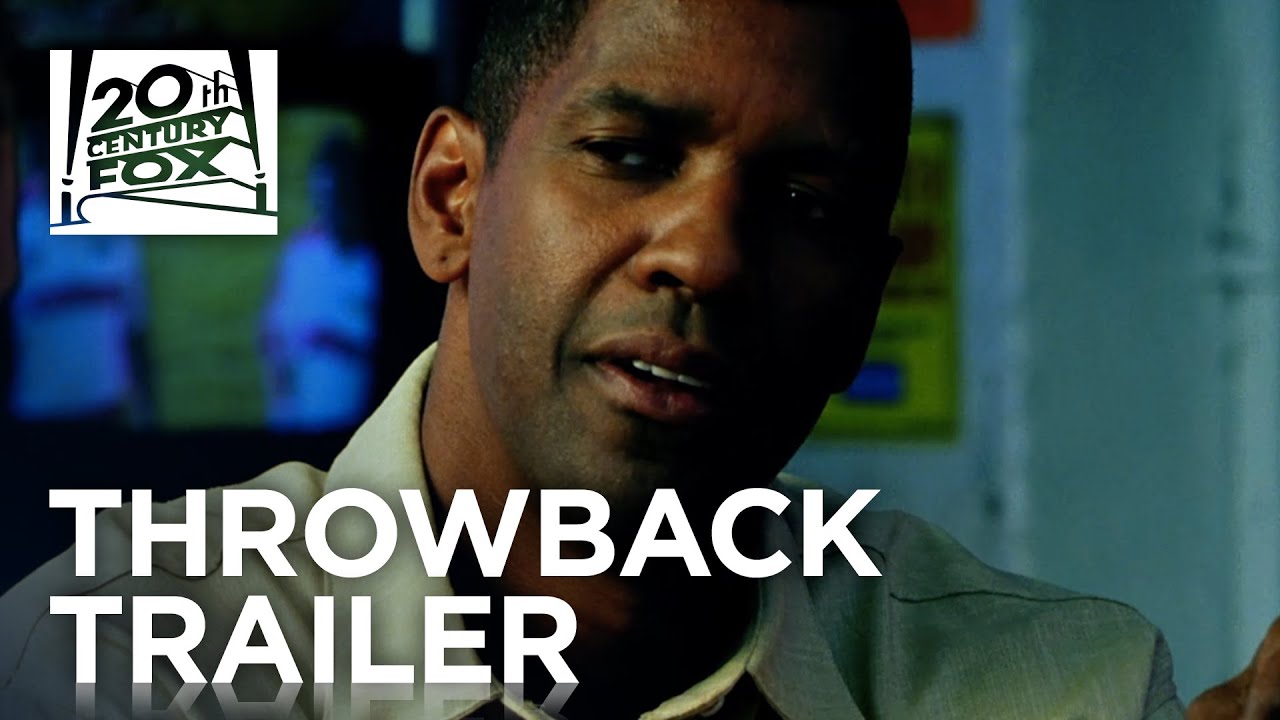
Directed with frenetic, hyper-stylized energy by the late Tony Scott, the film drops us directly into the sweltering, kidnapping-plagued streets of Mexico City. We meet John Creasy (Denzel Washington), an ex-CIA operative and former mercenary who has seen far too much darkness. Creasy is emotionally exhausted, consumed by guilt, and drowning his past at the bottom of a bottle. He doesn’t want redemption; he barely wants to stay awake.

Enter Pita Ramos, played by a nine-year-old Dakota Fanning with a screen presence so radiant it stopped audiences in their tracks. Hired reluctantly by her wealthy family as her bodyguard, Creasy makes it clear from day one that he is not her babysitter or her friend. But Pita isn’t intimidated by his brooding silence or icy demeanor.
What begins as a cold, transactional assignment slowly morphs into something profoundly human. Through competitive swimming training, childhood jokes, and quiet car rides, Pita patiently chips away at Creasy’s armored exterior. For the first time in years, Creasy smiles. He starts keeping a notebook. He begins to feel alive again.
Mild spoilers ahead — nothing past the midpoint.
When the Nightmare Unfolds: The Turning Point
And then… everything changes.
Just as Creasy rediscovers his will to live, a routine pickup outside Pita’s piano lesson turns into a catastrophic ambush. In broad daylight, corrupt cops and masked operatives strike with ruthless coordination. Despite Creasy fighting like a wounded lion and taking multiple gunshot wounds to shield her, Pita is violently snatched off the pavement.
Left clinging to life on a hospital bed, Creasy wakes up to an unbearable silence. The ransom negotiation goes catastrophically wrong. The drop is sabotaged, chaos erupts, and word comes back that the girl is gone.
Here’s what most people miss about this pivotal hinge: this isn’t a story about a hero saving the day. It’s a story about a man who believes he has already failed the only pure thing in his life. Creasy doesn’t seek justice—justice doesn’t exist where he’s going. Instead, he makes a chilling vow to Pita’s mother: “A bullet always tells the truth.” But as he systematically rips through the underworld, whisperings begin to surface that the kidnapping ring reaches far closer to home than anyone suspected.
What Makes the Film Unstoppable
- Undeniable Chemistry: Washington and Fanning didn’t just play protector and ward; their genuine off-screen rapport infused every frame with tender, heartbreaking realism.
- Unapologetic Style: Tony Scott’s frantic shutter angles, burned-in subtitles, and saturated color grading capture the dizzying, feverish terror of a kidnapping crisis.
- Emotional Anchoring: The entire second half carries weight precisely because Scott spent the entire first hour making us fall in love with Pita and Creasy’s friendship.
Where It Fumbles
- Visual Overdrive: Scott’s aggressive editing and motion-blur techniques can occasionally feel overwhelming during extended dialogue scenes.
- Bleak Nihilism: The second act descends into unyielding, brutal interrogation sequences that may test the stomachs of more sensitive viewers.
The Scene You Won’t Forget
Before any of the chaos erupts, there’s a simple sequence at the swimming pool. Pita is terrified of the starting gun, freezing every time it fires. Creasy sits by the edge, tapping his watch, whispering a mantra: “There is no such thing as tough. There is trained and untrained. Which one are you?” When she finally wins the race, her leap into his arms seals their bond—and makes the impending tragedy hurt ten times more.
The Final Verdict
Man on Fire isn’t just an action flick; it’s an emotional gut-punch masquerading as a revenge thriller. Two decades later, Washington’s burning gaze and Fanning’s innocence remain iconic because their warmth was real. If you haven’t revisited this masterclass in suspense and soul, prepare yourself—it still leaves a scar.
What Viewers Are Saying
- “I came for the Denzel action, but Dakota broke my heart in two within 45 minutes.” — Marcus T.
- “That hospital scene when he realizes she’s gone still gives me absolute chills.” — Sarah L.
- “Tony Scott’s editing was ahead of its time. Bleak, raw, and completely hypnotic.” — David K.
- “Easily one of Denzel’s top three performances. You feel the pain in his bones.” — Elena R.
- “Dakota Fanning at nine years old went toe-to-toe with an acting legend and held her own completely.” — Jason W.
- “I watch this once every few years, and I still cry like a baby every single time.” — Chloe B.
Frequently Asked Questions
Is Man on Fire based on a true story?
The film is adapted from A.J. Quinnell’s 1980 novel, which was loosely inspired by real-world high-profile kidnappings in Italy during the 1970s, though the film relocates the narrative to modern Mexico City.
Did Denzel Washington and Dakota Fanning stay in touch after filming?
Yes. Both actors formed a genuine bond during production that lasted for decades, eventually reuniting on screen in 2023 for The Equalizer 3.
Why did Man on Fire receive mixed reviews upon release?
While audiences loved it, contemporary critics were polarized by Tony Scott’s hyperactive visual style and the visceral brutality of Creasy’s revenge quest.