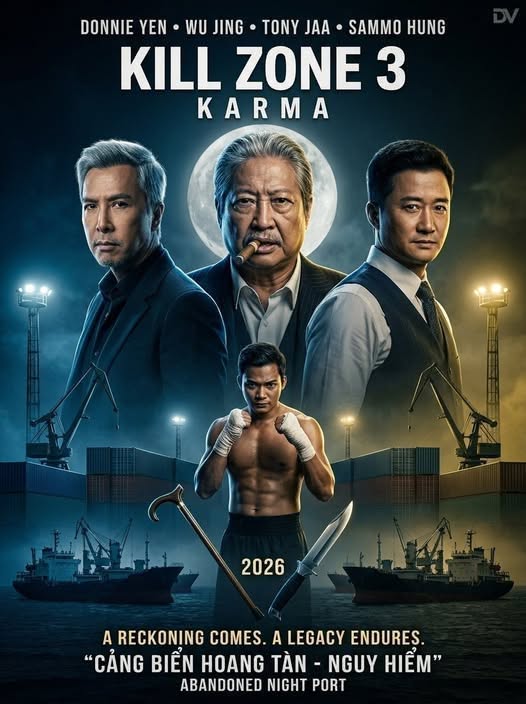
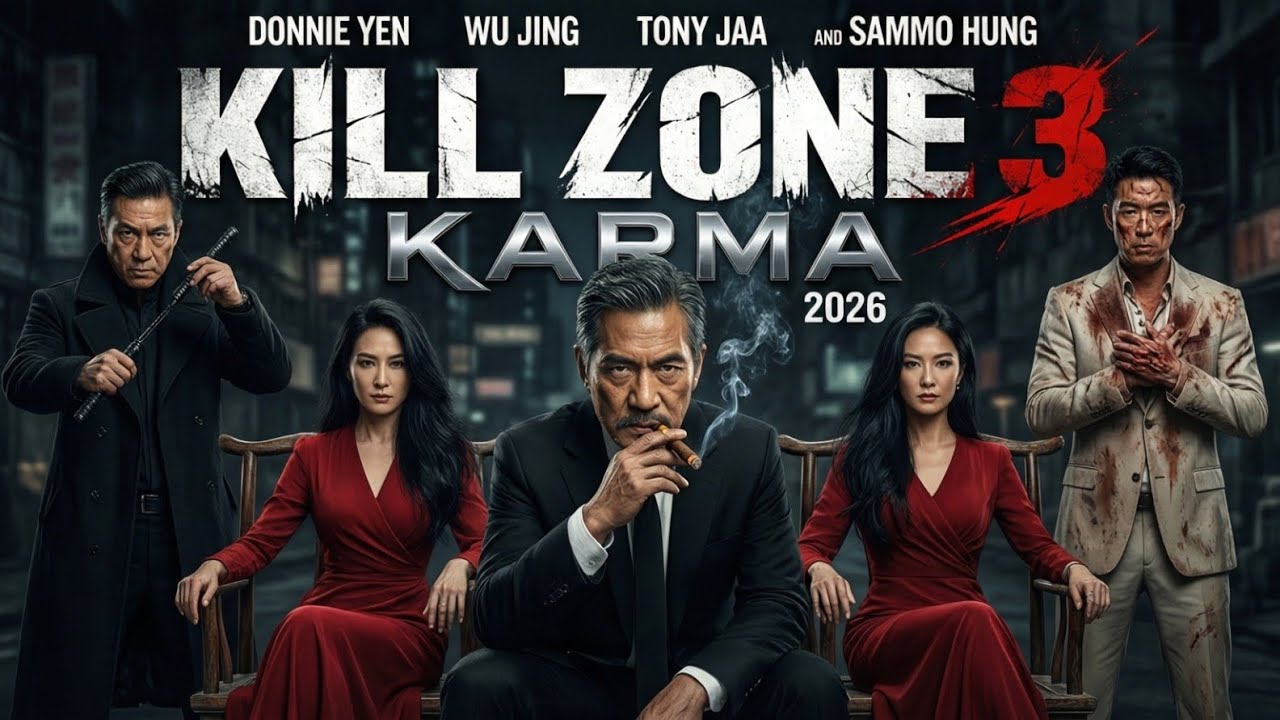
I honestly thought we would never see this day come. If you grew up on late-night Hong Kong action marathons and rewound VHS fight tapes until the magnetic ribbon snapped, you know that getting Donnie Yen, Wu Jing, and Tony Jaa into the exact same film has been the holy grail of modern martial arts cinema. Well, it finally happened—and it is everything our bruised inner action-nerd hearts could have prayed for, but with a brutal, bleeding emotional core nobody saw coming.

The Deadly Descent Into The Golden Triangle
Before diving into the carnage, let’s talk setup. The film drops us headfirst into the fever-dream underbelly of the Golden Triangle. Rather than serving up another generic revenge trope, the story centers on a terminally ill, corrupt cop who realizes his sins are finally catching up with him faster than his failing health. With zero time left on the clock, he plunges straight into cartel territory, not seeking glory, but a desperate, final shot at redemption.

Standing in his path, however, is a terrifyingly calm contract killer and an unstoppable enforcer forged in the ruthless fires of underground Muay Thai. This isn’t just about territory or dirty cartel cash—it’s a philosophical meat grinder where every character is driven by trauma, guilt, and survival instincts that leave no room for mercy.

Mild spoilers ahead — nothing past the midpoint.
Where Morality Fractures: The Midpoint Shift
Here’s where things get interesting. What starts as a gritty manhunt completely shatters around the forty-minute mark. As our dying lawman penetrates deeper into the jungle syndicates, he uncovers a horrifying revelation: the ruthless hitman shadowing his every move isn’t there on a cartel contract at all. Their pasts are intertwined by an unspeakable catastrophe that occurred two decades prior.
And then… everything changes.
Just as the two prepare to tear each other apart in an abandoned factory, Tony Jaa’s primal force crashes through the perimeter like a freight train. The fight suddenly morphs into an unpredictable three-way standoff where alliances dissolve by the second. Who is hunting whom? And when the man who ordered the hit is revealed to be someone hiding in plain sight, you’re left gripping your armrests asking: who is actually walking out of this jungle alive?
What Absolutely Hits Like A Sledgehammer
- Legendary Three-Way Synergy: The legendary clash pitting Donnie’s tactical baton drills against Wu Jing’s blinding reverse-grip dagger work and Tony Jaa’s flying elbows is pure kinetic poetry.
- Visceral Stunt Work: Practically zero noticeable CGI wirework. You feel every crunch, thud, and fractured bone in your chest.
- Deep Emotional Stakes: Donnie Yen delivers one of his most weary, gut-wrenching dramatic performances in years; his grief weighs heavier than his punches.
- Unforgiving Pacing: The film wastes zero frames on needless exposition, building unbearable pressure until the inevitable showdown.
Where It Catches Its Breath
- Bleak Aesthetic Overload: The relentlessly grim color palette and oppressive tone leave almost no room for levity.
- Secondary Plot Lines: A couple of DEA/interpol side investigators feel somewhat undercooked compared to the central titan trio.
Standout Moments You Won’t Forget
Here’s what most people missed during the blistering pace: the hallway corridor transition right before the final act. Without cutting the camera, the sequence transitions from pitch-black guerrilla warfare to a candle-lit shrine room where all three combatants face off. The deafening silence right before the first strike hits is masterclass tension building.
The Verdict: Pure Cinematic Adrenaline
Kill Zone 3: Karma isn’t merely a nostalgic love letter to classic martial arts cinema; it is an unforgiving meditation on guilt, consequence, and destiny. It honors the physical prowess of its three headlining titans while giving them an existential weight that lingers long after the adrenaline clears. If you care even an ounce about action filmmaking, drop everything and see this on the biggest screen you can find.
What Viewers Are Saying
- Marcus R.: “That baton versus dagger sequence literally made our entire theater gasp out loud. Pure martial arts royalty.”
- Elena S.: “I went in expecting great fights, but Donnie’s broken character genuinely brought tears to my eyes.”
- Tyler K.: “Tony Jaa is terrifying in this. He moves like a human weapon. Absolute peak action cinema!”
- Devon M.: “Wu Jing doesn’t even say ten words and he completely steals every single frame he walks into.”
- Sarah L.: “The atmosphere is so dark and relentless. Easily one of the top 3 action movies of the decade.”
- Brian T.: “The choreography isn’t flashy tricks—it’s raw, desperate, survival combat. Masterpiece status.”
Frequently Asked Questions
Do I need to watch the previous Kill Zone (SPL) movies first?
No. Much like the transition between the original SPL and SPL II, this installment stands as an independent thematic anthology film with fresh characters and standalone arcs.
Is the action primarily practical or CGI?
The film relies almost entirely on real, close-quarters stunt choreography, practical impact effects, and authentic martial arts mastery.
Does the movie feature a cliffhanger?
Without spoiling anything, the narrative offers a fiercely definitive, poetic thematic conclusion that matches the brutal tone of the series.