




Introduction
In the world of psychological horror, few films manage to engage the mind as deeply as Triangle (2009), a film that seamlessly blends tension, mystery, and a sense of foreboding dread. Directed by Christopher Smith, this psychological thriller explores the dark corners of human nature, time loops, and the irrevocable consequences of trying to escape fate. With its intricate narrative and atmospheric tension, Triangle offers a unique take on the genre.

The Plot
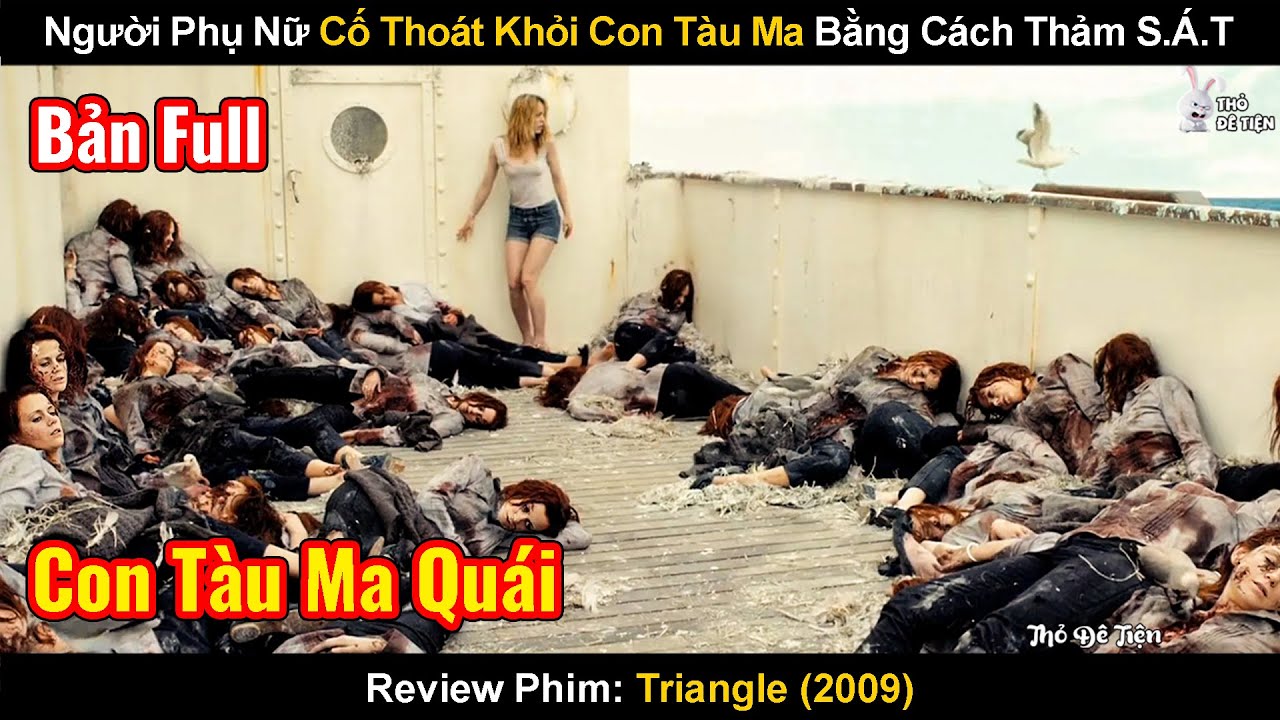
The story follows Jess (played by Melissa George), a single mother who joins a group of friends on a sailing trip. After a catastrophic storm capsizes their yacht, Jess and the survivors find themselves aboard a seemingly abandoned ocean liner, the Aeolus. However, the tranquility of this ship soon becomes a nightmare as Jess experiences eerie déjà vu and unsettling coincidences. As the group is stalked by a masked killer, Jess slowly realizes that they might be trapped in a never-ending loop of violence and death.

The Concept of Time Loops
What sets Triangle apart from other horror films is its masterful use of time loops. The movie invites viewers to question the nature of fate and choice, as Jess tries to break free from the cycle of terror that she finds herself in. Each loop reveals new layers of horror, where the characters are forced to confront alternate versions of themselves, their own guilt, and the past actions that led them to this point.

Characters and Performances
The cast of Triangle is stellar, with Melissa George delivering a haunting performance as the lead, Jess. She brings a depth to the character that makes her journey of self-discovery and horror feel authentic. Michael Dorman, Rachael Carpani, Henry Nixon, and Emma Lung also provide strong performances, contributing to the film’s unsettling atmosphere. Notably, Liam Hemsworth appears in an early role, adding another layer of intrigue to the ensemble cast.
The Themes of Guilt and Punishment
At its core, Triangle is a film about guilt, punishment, and the cyclical nature of life. The film draws inspiration from the myth of Sisyphus, depicting a protagonist who, despite her best efforts, is unable to escape the consequences of her past. This exploration of guilt and its inescapable hold over Jess adds an emotional layer to the otherwise cerebral narrative.
The Cinematic Experience
One of the most striking elements of Triangle is its production design. Christopher Smith’s decision to build full-scale sets for the cruise ship Aeolus, rather than relying on green screen effects, enhances the film’s claustrophobic and surreal atmosphere. The ship itself feels like a character, adding to the sense of isolation and dread that permeates the narrative.
The Horror of Repetition
Triangle is not a traditional horror film. It is a film that builds its tension through repetition, gradually revealing the true nature of the terror at hand. The sense of dread that builds as Jess becomes aware of the repeating loops is palpable, and the film’s structure rewards multiple viewings as new details and interpretations emerge with each loop.
The Verdict
Triangle is a cerebral horror film that stands out for its complex narrative and emotional depth. While it may not have received the mainstream recognition it deserved, it has certainly earned a cult following, particularly among fans of psychological thrillers and time-loop stories. With its atmospheric tension, exceptional performances, and thought-provoking themes, Triangle is a film that lingers long after the credits roll.
If you’re a fan of films like Coherence, Timecrimes, or Donnie Darko, then Triangle is definitely worth your time. It’s a film that demands close attention and will reward those who are willing to dig deeper into its intricacies. In the end, it is a haunting meditation on fate, guilt, and the impossibility of redemption, making it one of the most unique horror films of the 2000s.