




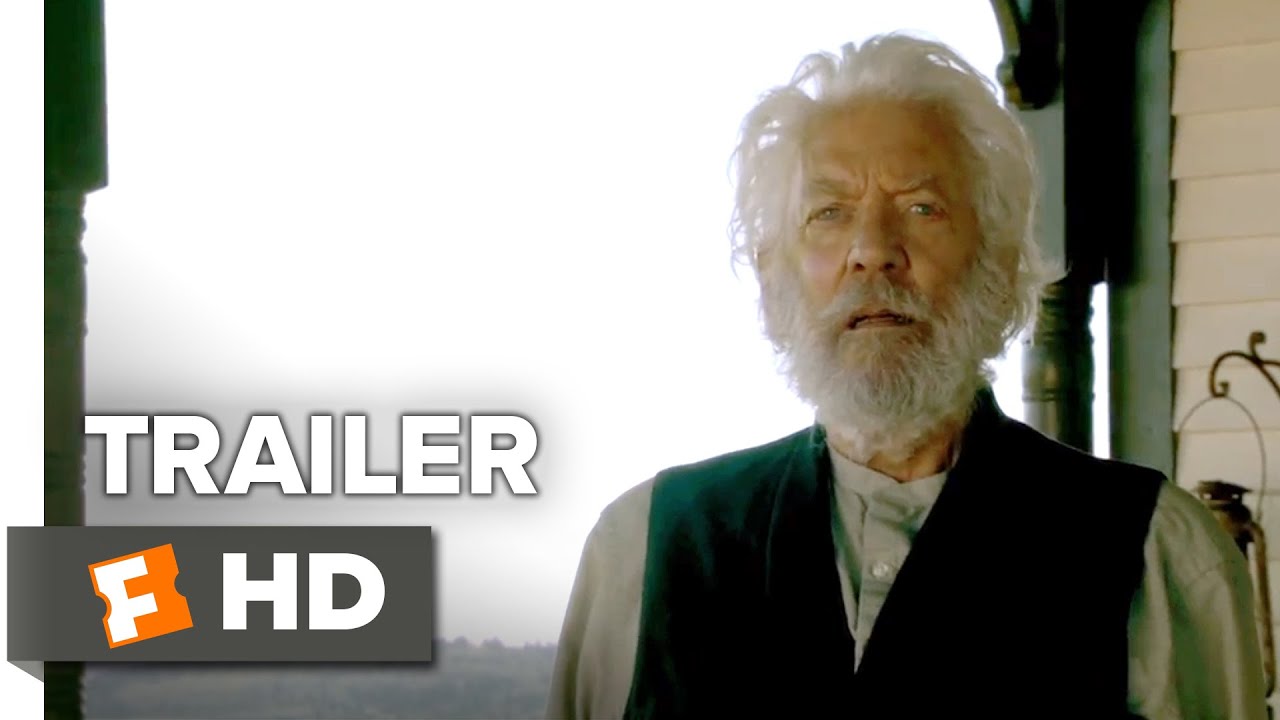
Introduction
In the vast genre of Western films, few stand out for their emotional depth and intimate character explorations like Forsaken (2015). Directed by Jon Cassar, this melancholic Western is not just a tale of cowboys and gunfights; it is a poignant meditation on redemption, family dynamics, and the inescapable weight of the past. Set in the unforgiving plains of 1872 Wyoming, it delves into the complexities of personal history and moral choices, anchored by a strong father-son relationship.

Plot Overview
The film follows John Henry Clayton (Kiefer Sutherland), a retired gunman who returns to his hometown in search of peace and reconciliation with his estranged father, Reverend Samuel Clayton (Donald Sutherland). Their reunion, however, is marred by external threats—ruthless landlords, led by the sinister James McCurdy (Brian Cox), are terrorizing local farmers and driving them to desperation.

Haunted by his violent past but unable to abandon his ties to the land and the people he once knew, John Henry is caught between his desire for a peaceful life and the mounting pressure to defend his roots. As tensions escalate, the strained relationship between father and son forms the emotional backbone of the film, culminating in a powerful and unforgettable reckoning.

Thematic Depth
At its core, Forsaken is about redemption—both personal and familial. John Henry’s return is not just about reconciling with his father but also confronting his violent history. The film subtly examines the concept of atonement, the impossibility of escaping one’s past, and the courage it takes to face it head-on.
The father-son dynamic is the emotional heart of the narrative. John Henry, a man hardened by years of gunfighting, seeks forgiveness from a father who has spent his life preaching peace. The performances of Kiefer and Donald Sutherland elevate the film, with their natural chemistry adding layers of nuance to their interactions. The film does not rush the reconciliation but allows it to unfold gradually, emphasizing the pain and complexity of rebuilding a fractured relationship.
The Classic Western Atmosphere
Visually, Forsaken stays true to its Western roots. The sweeping landscapes of Wyoming, the dusty towns, and the quiet tension that permeates the film all contribute to a sense of place that is as much a character in the story as the people themselves. The cinematography captures the vast emptiness of the frontier, which serves as both a literal and metaphorical backdrop for the characters’ internal struggles.
Conclusion
Forsaken may not have the spectacle of a modern action blockbuster, but it more than makes up for it with its deep emotional resonance. It is a slow-burn film that prioritizes character development and moral conflict over typical Western tropes of shootouts and barroom brawls. The exploration of redemption and familial ties, along with the fantastic performances of its lead actors, make it a standout in the genre.
While it may not satisfy viewers looking for nonstop action, Forsaken offers a richer, more introspective take on the Western genre, showing that sometimes the real battles are fought within. It’s a film that lingers in the mind long after the credits roll, prompting reflection on the price of peace and the unyielding force of the past.