



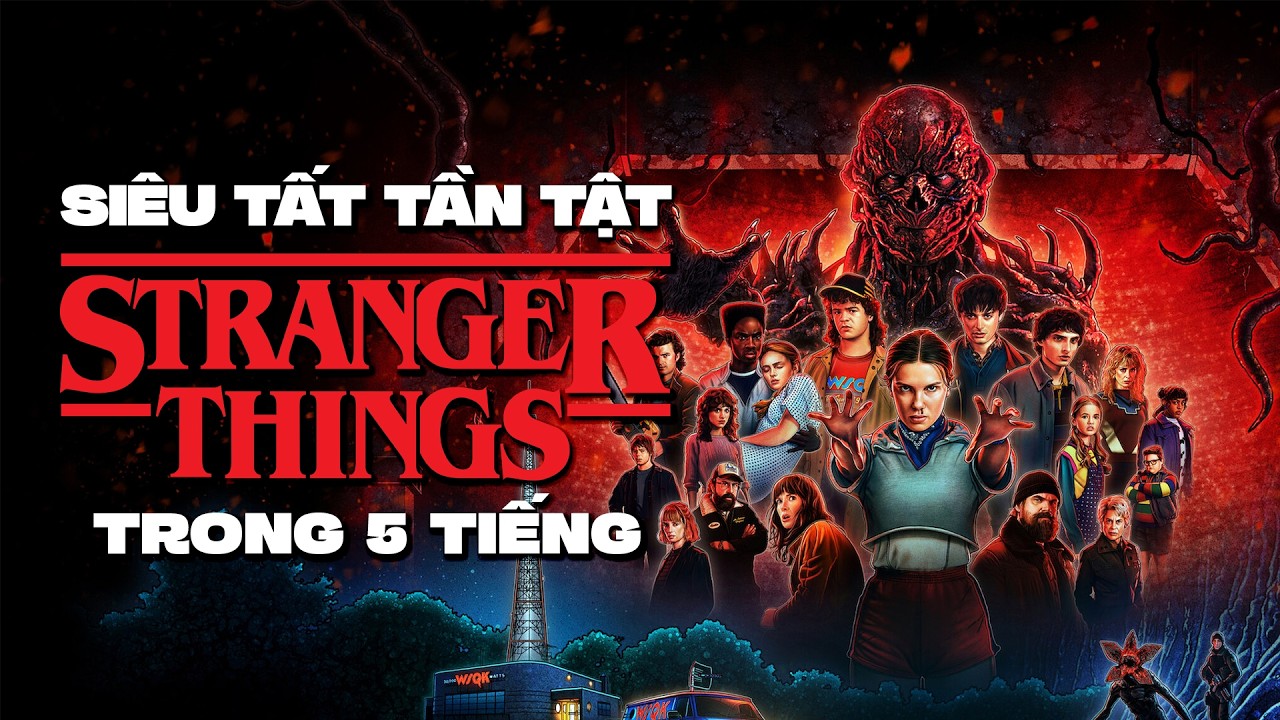
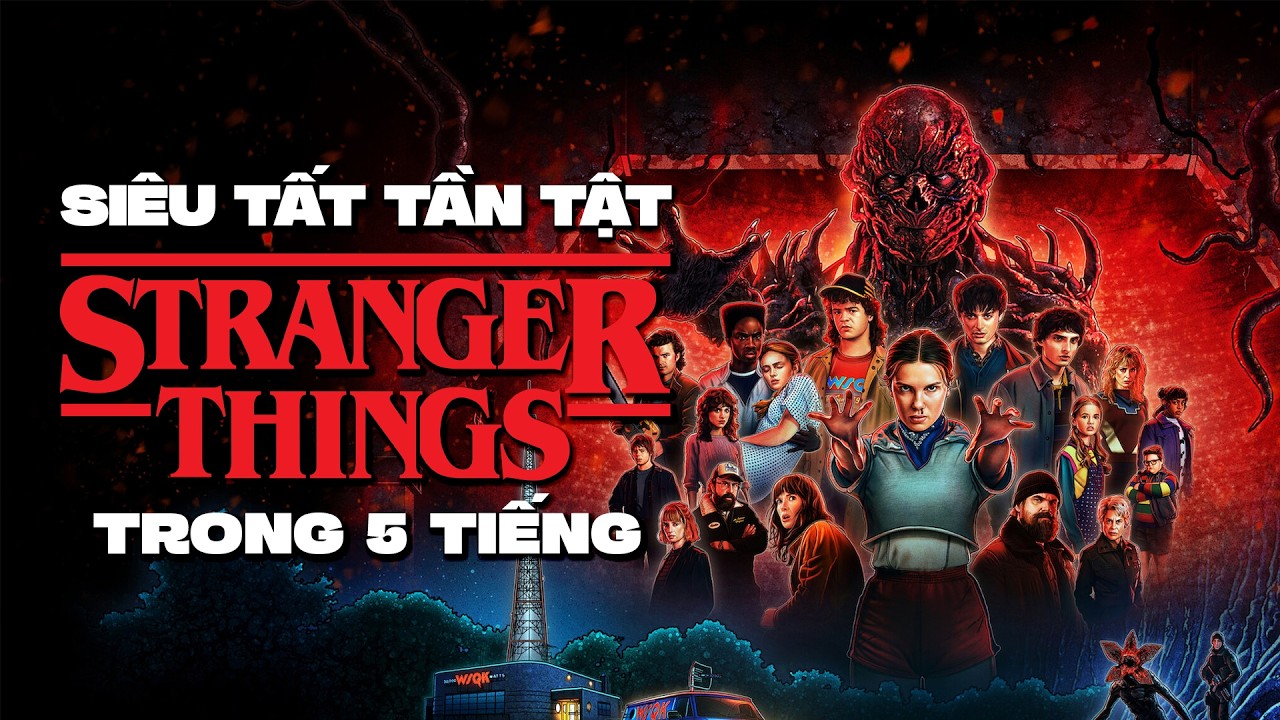
Stranger Things: Revisiting the Early Seasons
Stranger Things first captured the hearts of viewers in 2016, offering a nostalgic blend of supernatural horror and 80s references. The early seasons, particularly Season 1 and 2, stood out for their simplicity and tight narrative focus. As the series has evolved, however, it has taken on more complex storylines, often introducing new characters and layers that, while exciting, have made the plot more difficult to follow. In this review, we’ll reflect on what made those early seasons so special and why they still hold a certain charm.

The Magic of Simplicity
Season 1 of Stranger Things started with a straightforward premise: the mysterious disappearance of Will Byers, which spirals into a thrilling search involving his friends and family. With no supernatural jargon and a relatively small cast of characters, the show didn’t require the viewer to keep track of a hundred moving parts. The Upside Down was an intriguing mystery, and the threat it posed was simple yet terrifying.

The Tight Mystery of Season 1
What made Season 1 stand out was its ability to weave a compelling mystery without over-explaining the supernatural elements. The narrative was grounded, and the sense of urgency around Will’s disappearance never wavered. The introduction of Eleven, played brilliantly by Millie Bobby Brown, gave the show a unique edge. Her abilities felt fresh and unexplained, allowing the audience to slowly unravel her backstory in sync with the narrative. This minimalist approach made the plot feel cohesive and intensely engaging.

The Transition to Season 2
When Season 2 arrived, it brought with it the same central mystery, but with more layers. Will was still struggling with the effects of his time in the Upside Down, and the group of friends continued to navigate their growing pains. Yet, Season 2 expanded the scope of the show by introducing new characters and deepening the mythology surrounding the Upside Down. While these additions were compelling in their own right, they risked complicating the straightforward formula that made the first season so effective.
The Shift Towards Complexity
As the show progressed, the introduction of new plots, including Eleven’s search for her past and the burgeoning threat of the Mind Flayer, added more layers of intrigue. However, for many fans, these additions were a double-edged sword. On one hand, they kept the show fresh and unpredictable. On the other, they diluted the sense of intimacy and tension that made the early seasons so enjoyable.
Why the Early Seasons Still Work
Despite the narrative complexity introduced in later seasons, the early seasons of Stranger Things continue to resonate because of their simplicity. They offer a nostalgic, easy-to-follow experience that allows viewers to invest in the emotional arcs of the characters without getting bogged down by excessive lore. Season 1, in particular, works as a standalone story that doesn’t require viewers to have an encyclopedic knowledge of the series to enjoy it.
Conclusion
In the end, Stranger Things remains a groundbreaking show, and its later seasons have added much to its lore. However, there’s something undeniably special about the early seasons—before the complexity of the Upside Down took over the narrative. For those looking for a more accessible, yet still gripping, story, the early seasons of Stranger Things remain a masterclass in simplicity and suspense.