This isn’t just another action thriller—it feels like a full-scale cinematic experience that keeps tightening its grip with every scene. It starts with silence, mystery, and impossible orders… and before you know it, you’re questioning everything hiding beneath the surface.

Some movies rely on explosions to keep your attention. This one uses suspense just as effectively. Every decision matters, every glance carries weight, and the deeper the story goes, the harder it becomes to predict what comes next.
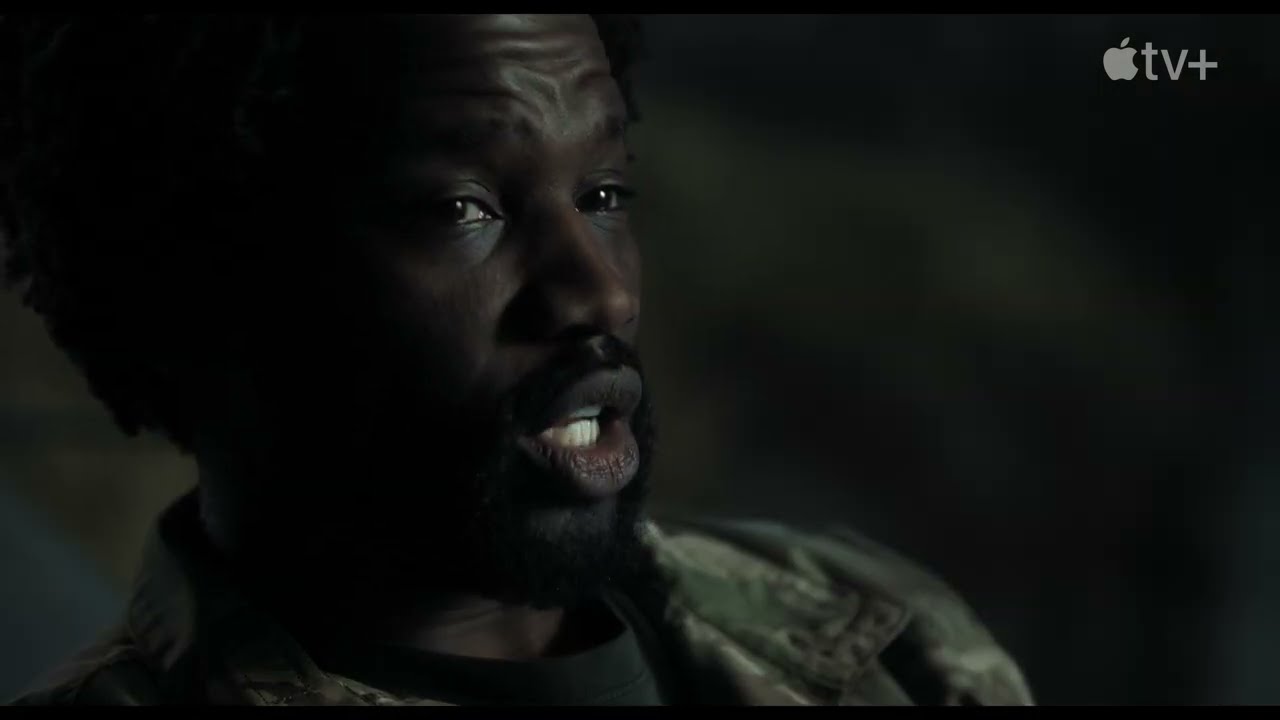
A Spectacle Worth Watching on the Big Screen
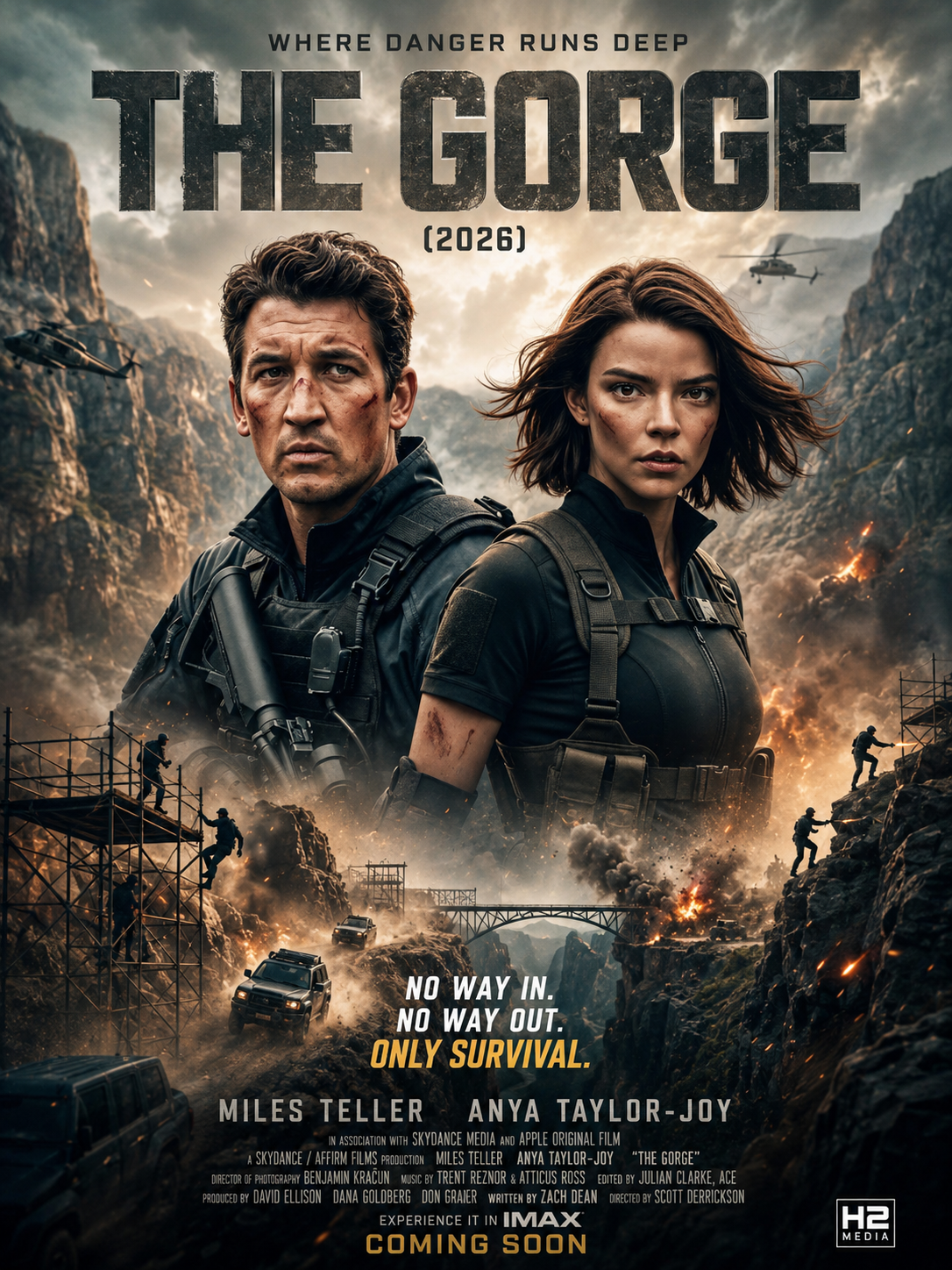
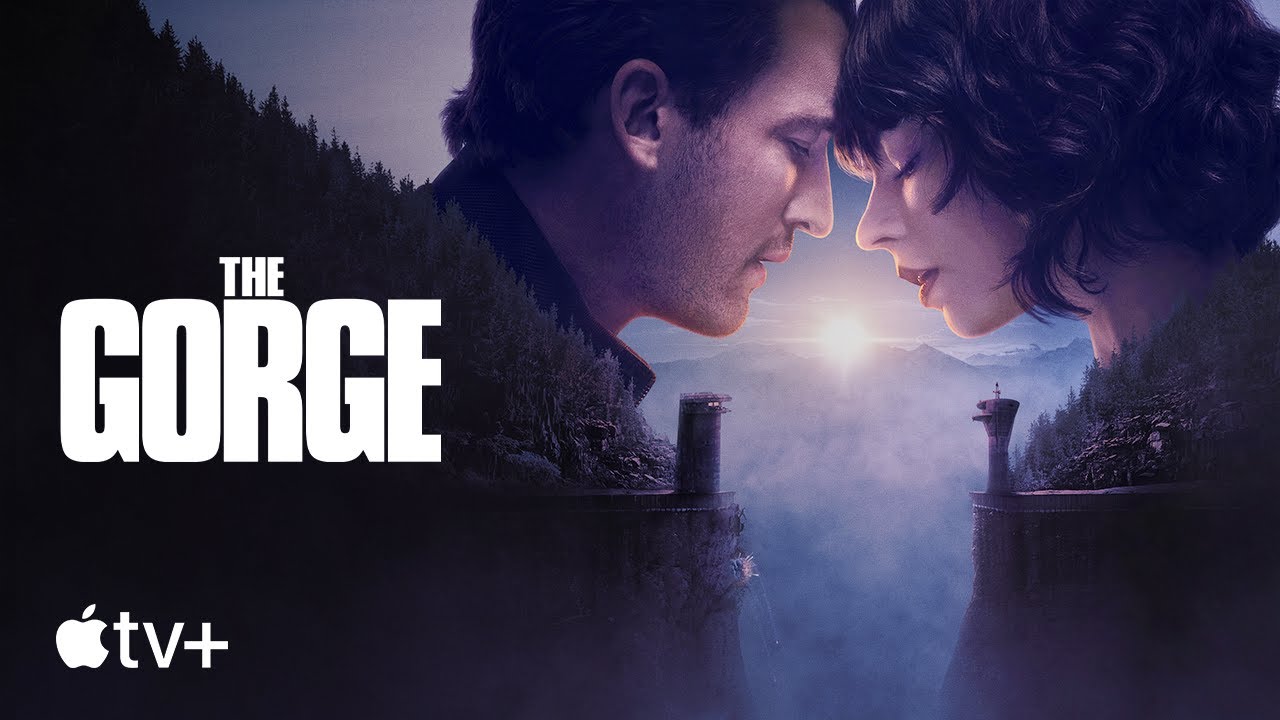
At first glance, the premise seems straightforward: two elite operatives stationed on opposite sides of an isolated canyon, each following strict orders while protecting a classified location. But that’s only the beginning.
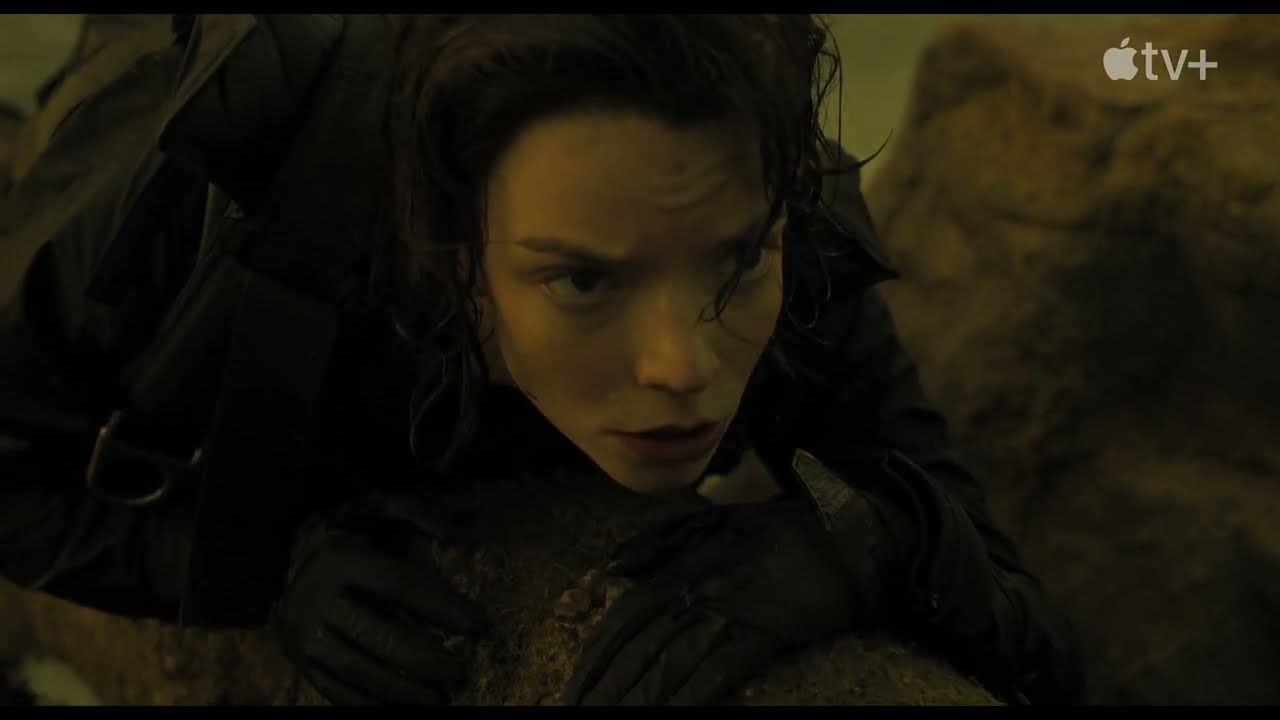
Without revealing major surprises, the film slowly transforms from a tense military mission into something far larger, blending mystery, psychological suspense, survival, and explosive action into one surprisingly ambitious package.
And then… everything changes.
Once the truth surrounding the canyon begins to emerge, the film shifts gears in a way that rewards patient viewers while raising the stakes with every passing minute.
Why the Story Works Better Than Expected
Constant mystery keeps pulling you forward
The biggest strength isn’t simply what’s inside the canyon—it’s how carefully the film refuses to reveal its secrets. Small clues appear early, but they don’t fully connect until much later, creating genuine curiosity instead of forced twists.
That slow buildup creates an atmosphere where every scene feels important.
Strong chemistry between the leads
Miles Teller delivers a restrained performance that perfectly matches a soldier carrying impossible responsibility. His quiet determination makes the character believable even during the film’s biggest action sequences.
Anya Taylor-Joy brings confidence, intelligence, and emotional depth. Rather than becoming a supporting figure, she consistently drives the investigation forward, making her character feel equally essential to the story.
Together, their growing trust becomes one of the movie’s strongest emotional anchors.
The visuals deserve attention
The isolated canyon itself almost becomes another character. Massive cliffs, endless fog, and breathtaking aerial shots create an overwhelming feeling of isolation that perfectly supports the suspense.
The production design constantly reminds viewers that something feels wrong—even when nothing obvious is happening.
The Scene That Stole the Show
Without spoiling anything, there’s a pivotal sequence where both operatives begin realizing that the mission they’ve been following for so long isn’t what they believed.
The tension builds almost entirely through atmosphere instead of nonstop action. It’s one of those moments where every sound suddenly matters.
But here’s what most people missed: the film quietly plants several hints much earlier that completely change how this scene feels during a second viewing.
What Makes This Film Stand Out
- Excellent balance between action and mystery.
- Strong performances from both lead actors.
- Beautiful large-scale cinematography.
- Suspense that grows naturally instead of relying on cheap jump scares.
- Several unpredictable twists that remain engaging without feeling overly complicated.
- A surprisingly emotional partnership at the heart of the story.
A Few Minor Weaknesses
- The opening takes its time before revealing the central conflict.
- Some supporting characters could have benefited from additional development.
- A few plot explanations remain intentionally vague, which may divide audiences.
Even so, none of these issues significantly reduce the overall experience because the central mystery remains compelling throughout.
What Viewers Are Saying
- Daniel Brooks: “The atmosphere completely pulled me in. I couldn’t stop thinking about that canyon.”
- Emma Carter: “Much smarter than I expected. The mystery kept getting better.”
- Ryan Mitchell: “Fantastic chemistry between the two leads. They absolutely carried the film.”
- Olivia Harris: “The visuals alone are worth seeing on the biggest screen possible.”
- Jason Reed: “Every time I thought I’d figured it out… I was wrong.”
- Sophia Bennett: “One of the most suspenseful action films I’ve watched in a long time.”
- Michael Foster: “The final act completely changed my opinion—in the best way.”
- Grace Collins: “A perfect mix of mystery, action, and psychological tension.”
Final Verdict
What begins as a simple mission gradually transforms into an ambitious blend of survival thriller, psychological mystery, and blockbuster action.
It succeeds because it never rushes its biggest reveals. Instead, it allows tension to build naturally while giving its characters enough emotional weight to make every decision matter.
If you’re looking for nonstop explosions from beginning to end, this may feel slower than expected. But if you enjoy suspense that keeps unfolding layer by layer before delivering satisfying payoffs, this film offers plenty to enjoy.
Long after the credits roll, you’ll probably still be wondering what was truly hidden inside that canyon.
Frequently Asked Questions
Is this movie worth watching in theaters?
Yes. The large-scale cinematography and immersive sound design are especially effective on the biggest screen available.
Is the movie more action or mystery?
It successfully balances both, using mystery to drive the story before expanding into intense action sequences.
Does the film rely on plot twists?
Yes, but the twists are generally earned through careful setup rather than random surprises.
Are Miles Teller and Anya Taylor-Joy good together?
Absolutely. Their performances and evolving partnership become one of the film’s strongest highlights.
Will mystery fans enjoy this film?
Definitely. Much of the excitement comes from uncovering the truth hidden beneath the surface, making it appealing for viewers who enjoy suspense alongside blockbuster action.