


Introduction
In the dark, blood-soaked world of ancient Rome, few stories are as captivating as that of the gladiators who fought for their lives, freedom, and fame. Spartacus: Gods of the Arena (2011) brings us to the origins of the gladiatorial spectacle, a fierce and often brutal prequel to Spartacus: Blood and Sand. With its gripping combat scenes, deeply flawed characters, and political intrigue, the show manages to not only entertain but also examine the intricacies of power, betrayal, and survival.

Plot Overview
Set years before the arrival of Spartacus, Gods of the Arena focuses on the rise of Gannicus, portrayed by Dustin Clare. A charismatic and skillful gladiator, Gannicus’ prowess in the arena earns him fame, yet it is his cunning that drives his eventual pursuit of freedom. His story unfolds within the larger ambitions of Batiatus (John Hannah) and his wife Lucretia (Lucy Lawless), whose manipulative ways seek to control the gladiatorial games and bring their house to prominence.

The Characters
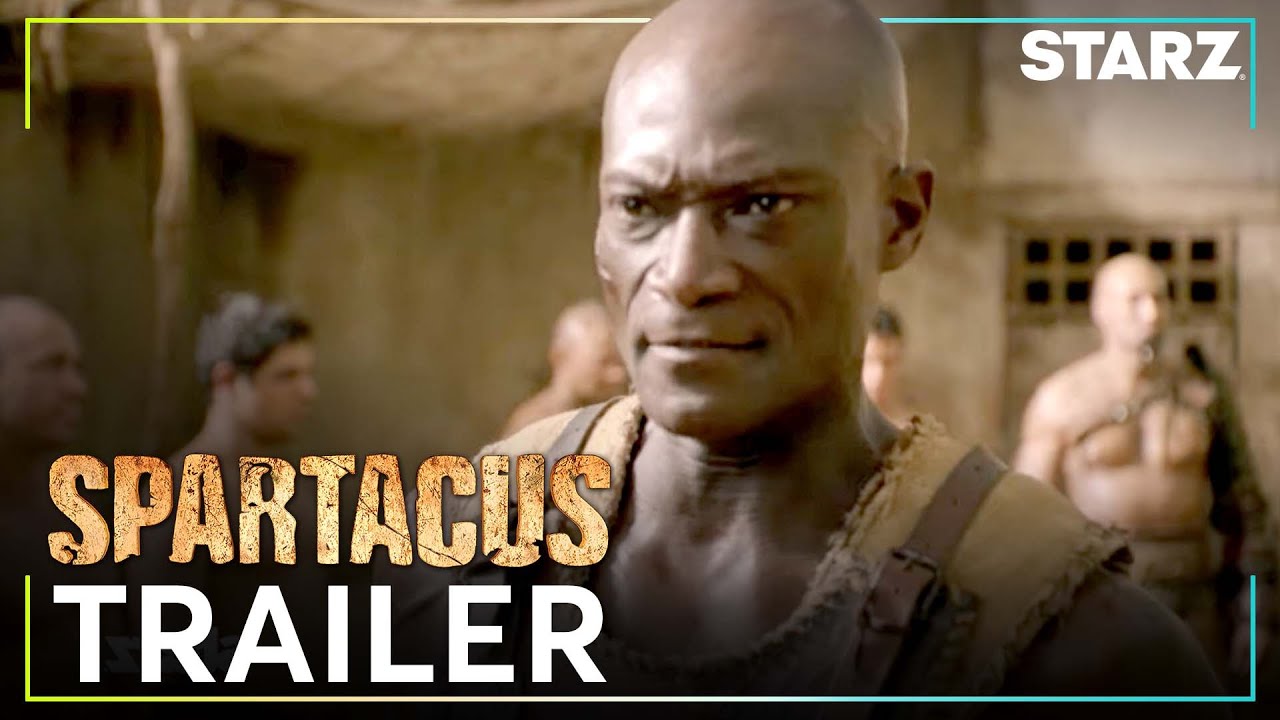
The series not only gives us an in-depth look at Gannicus but also sheds light on the pre-rebellion lives of fan-favorite characters like Oenomaus and Crixus. These characters, with their complex motives and emotional journeys, provide much-needed depth to the story. Oenomaus, played by Peter Mensah, is a character steeped in loyalty, yet bound by honor in a world that values neither. Crixus, portrayed by Manu Bennett, emerges as a proud and determined warrior who eventually becomes one of the most iconic figures in the franchise.

The Themes
Gods of the Arena thrives on themes of political ambition, moral ambiguity, and human frailty. At its core, the show is about survival in a world that thrives on violence and manipulation. Batiatus and Lucretia’s relentless thirst for power drives the narrative forward, with betrayals and treachery lurking at every corner. Yet, beneath the bloodshed and betrayal, there are moments of vulnerability, where characters struggle with their desires, fears, and the price of ambition.
The Gladiatorial Combat
The show’s depiction of gladiatorial combat is brutal and unflinching. The fights are intense, showcasing the skill and savagery of the gladiators. Each battle carries with it a sense of impending doom, with lives constantly hanging in the balance. These bloody spectacles are not only central to the plot but also serve as a stark reminder of the grim realities of ancient Rome.
The Visuals and Direction
Visually, Gods of the Arena continues the tradition of its predecessor, Spartacus: Blood and Sand, with its vivid color palette and stylized cinematography. The dark tones and stark contrast between light and shadow emphasize the violence and tension of the story. The direction, helmed by a talented team, keeps the pace relentless, while still allowing for moments of reflection on the emotional depth of the characters.
The Music
The score of Gods of the Arena, composed by Joseph LoDuca, is haunting and atmospheric, further immersing viewers into the world of ancient Rome. The music complements the intense action scenes while also adding an emotional weight to the quieter moments, giving the series a profound depth beyond its physical confrontations.
Conclusion
Spartacus: Gods of the Arena is an exceptional prequel that delves deep into the complex world of gladiatorial combat, ambition, and betrayal. The series combines thrilling action with nuanced storytelling, offering a rich and compelling narrative that adds layers to the Spartacus universe. With strong performances, striking visuals, and a story filled with moral complexity, it is a must-watch for fans of the original series and newcomers alike.
- Genre: Action, Drama, History
- Stars: Dustin Clare, John Hannah, Lucy Lawless, Peter Mensah, Manu Bennett
- Rating: 8/10