




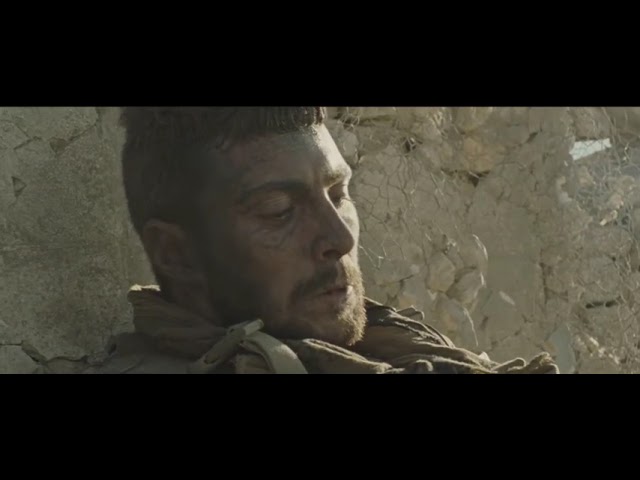
The Wall (2017) – A Psychological Battlefield
In the unforgiving deserts of Iraq, The Wall (2017) offers a visceral, tense experience that keeps you on the edge of your seat from beginning to end. Directed by Doug Liman, this film isn’t just another war thriller — it’s a claustrophobic psychological drama that explores survival, isolation, and the devastating consequences of war. If you’re looking for a film that strips away the grandeur of battle to focus on the raw human experience, then The Wall is a must-watch.

The Story
The premise is simple, yet deeply effective: two American soldiers are sent to investigate a distress call in the war-torn desert of Iraq. What seems like a routine mission turns into a life-or-death struggle when they’re ambushed by a sniper. The soldiers are pinned down behind a crumbling wall, and what follows is a nerve-wracking game of survival, mental fortitude, and psychological warfare.

We follow Sgt. Allen Isaac, played by Aaron Taylor-Johnson, who is forced to rely on his instincts, wit, and sheer willpower to stay alive. Cut off from reinforcements, wounded in both body and mind, Isaac must face not just the physical threat of the sniper, but the mental anguish of being trapped in an environment where every sound could signal his end.

Raw and Unforgiving Direction
Doug Liman, known for his work on Edge of Tomorrow and The Bourne Identity, brings his talent for tension and pacing to The Wall. The film is a masterclass in suspense, creating an atmosphere so tight you can almost feel the heat of the desert and the weight of the silence that envelops Isaac. The minimalistic setting — confined to a small stretch of desert and a broken wall — mirrors the character’s sense of isolation and impending doom.
Character Development and Performance
Aaron Taylor-Johnson’s performance as Sgt. Isaac is nothing short of riveting. He carries the weight of the film almost entirely on his shoulders, delivering a nuanced portrayal of a man pushed to his mental and physical limits. As he struggles not only to survive but to stay sane, his internal battle becomes the heart of the film. There’s a depth to his character that resonates with anyone who’s ever had to face extreme pressure, making the stakes feel personal.
The Psychological Angle
What sets The Wall apart from other war films is its deep dive into the psychological toll of war. The sniper, who is never fully seen but whose voice is ever-present, plays an almost ghostly role in the story. The tension of not knowing where the threat is coming from, or whether you’re being manipulated, amplifies the claustrophobia. The walls closing in on Isaac represent more than just the physical environment; they symbolize the mental strain he’s under as every decision he makes could be his last.
The Silence Between Shots
One of the most chilling aspects of The Wall is its use of silence. The tension in the film often comes from what isn’t being said — the silence before a shot is fired, the pause in dialogue as Isaac contemplates his next move. This absence of sound adds an extra layer of dread to every scene, amplifying the sense of vulnerability that Isaac experiences. It’s a brilliant narrative device that turns silence into a character in itself.
Final Thoughts
The Wall is a film that demands your full attention. It’s raw, intense, and never lets up in its relentless pursuit of tension. The psychological aspects of the film make it more than just a survival thriller — it’s a stark examination of the human psyche under extreme pressure. With a standout performance by Aaron Taylor-Johnson and a direction that excels at building suspense, this is a war thriller that will stay with you long after the credits roll.