




Introduction: A Legacy of Animation
Animation has always had a unique place in the heart of cinema. From the humble beginnings of Mickey Mouse to the breathtaking visuals of Moana, animated films have evolved into a powerful storytelling medium. With over 10 years of experience as a film blogger, I have witnessed the evolution of animated cinema, and it’s fascinating to look back at how animation has shaped and been shaped by the cultural landscape.

The Early Days: Mickey Mouse and the Birth of Animation
Walt Disney’s creation of Mickey Mouse in 1928 marked a pivotal moment in film history. Mickey was more than just a character; he was a symbol of innovation and imagination. His debut in *Steamboat Willie* revolutionized animation, blending synchronized sound with charming visuals that made audiences across the world laugh, cry, and fall in love with the magic of animated storytelling.

The Rise of Disney: A Golden Age of Animation
Throughout the 1930s and 40s, Disney led the charge in animation with iconic films such as *Snow White and the Seven Dwarfs*, *Pinocchio*, and *Fantasia*. These films set the bar for animation quality, storytelling depth, and emotional engagement. Snow White’s groundbreaking animation techniques introduced the world to fully realized animated characters, forever changing the way we viewed animation.

The Evolution: The 90s and the Disney Renaissance
The 1990s ushered in the Disney Renaissance, with films like *The Little Mermaid*, *Beauty and the Beast*, and *The Lion King* redefining the animation industry. These films not only introduced vibrant color palettes and rich storytelling but also tapped into deep emotional and moral narratives that resonated with both children and adults. Disney’s resurgence helped solidify its dominance in the animation space.
Pixar: The Game-Changer
Pixar’s arrival with *Toy Story* in 1995 marked the beginning of the computer-generated animation revolution. Pixar didn’t just change the way we viewed animation; they redefined what was possible with 3D technology. With *Toy Story*, *Finding Nemo*, and *Up*, Pixar introduced a new dimension of emotion, humor, and realism to the animated world, proving that animation could offer more than just childlike wonder—it could tell profound stories that transcended age.
Modern Animation: Moana and the New Wave
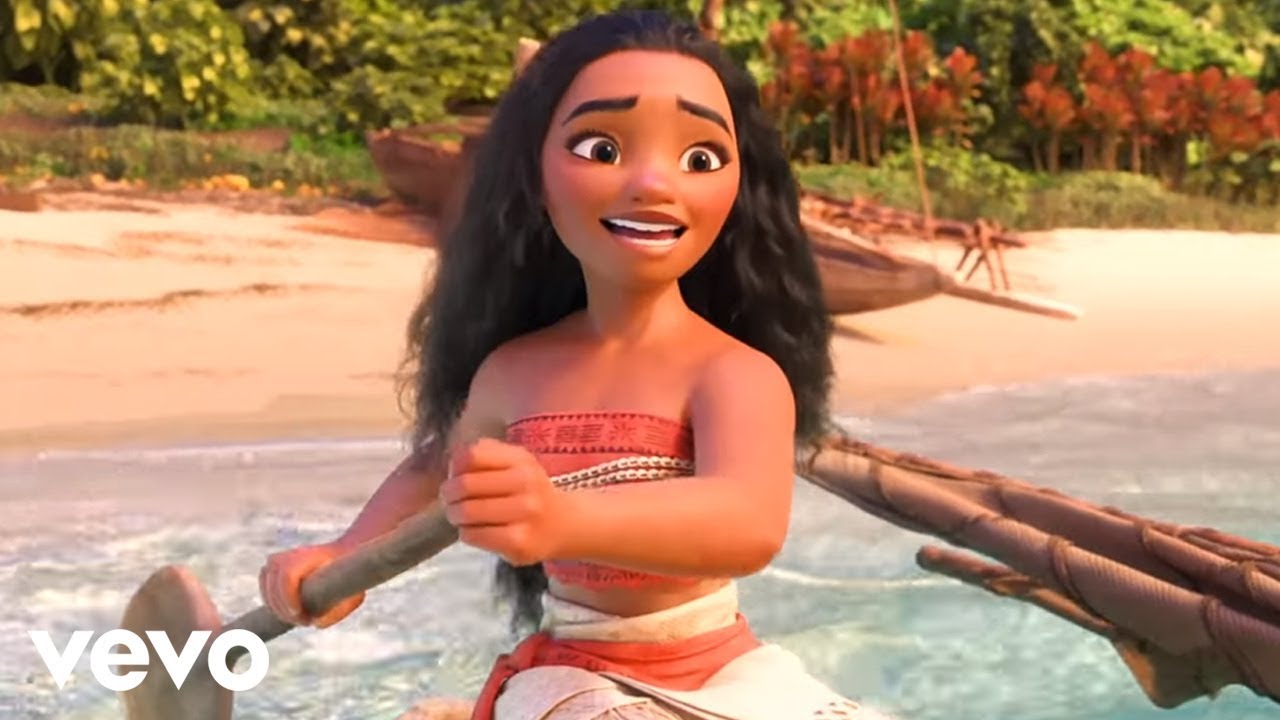
The modern era of animation has brought stunning visual experiences, with films like *Frozen*, *Zootopia*, and *Moana*. *Moana*, in particular, stands out for its cultural richness and stunning animation. The film’s exploration of Polynesian mythology, coupled with its vibrant colors and unforgettable music, marks a significant shift towards diverse stories and characters in mainstream animated cinema. It is a testament to the industry’s growing inclusivity and ability to tell stories from different cultures with authenticity and heart.
The Impact of Animation on Cinema
- Innovation: Each decade has seen significant innovations, from the hand-drawn classics to the groundbreaking computer-generated images that define today’s animation.
- Cultural Reflection: Animated films are often reflections of the times they were made in, whether it’s *Mickey Mouse* in the post-depression era or *Moana* in today’s world, showcasing the importance of cultural storytelling.
- Universal Appeal: What’s remarkable about animation is its ability to transcend age, geography, and language, making animated films beloved worldwide.
Conclusion: The Timeless Magic of Animation
The world of animated films continues to captivate audiences of all ages. From the simplicity of early cartoons to the depth of modern animated storytelling, animation has evolved into an art form that resonates with us on a deep emotional level. Whether it’s the nostalgic charm of Mickey Mouse or the epic adventures of Moana, these films will continue to inspire and entertain for generations to come. As a lover of cinema, I can’t help but marvel at how animation has both transformed and remained timeless—a truly magical journey that will never fade.