




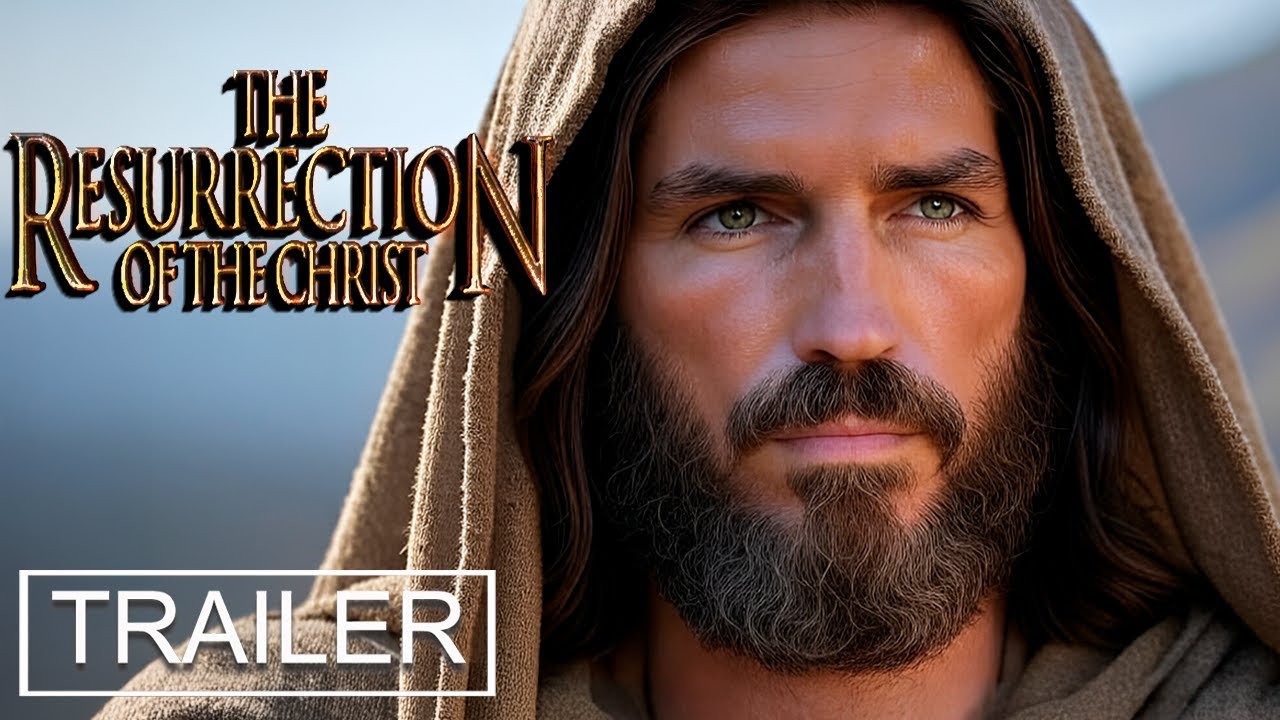
A Controversial Vision Returns to the Big Screen
More than two decades after The Passion of the Christ reshaped the landscape of faith-based cinema, Mel Gibson is finally moving forward with its long-discussed follow-up, The Resurrection of the Christ. Set to begin filming at Rome’s historic Cinecittà Studios and backed by Lionsgate, the project immediately re-enters a cultural conversation that never truly ended. This is not merely a sequel; it is a cinematic reckoning with one of the most scrutinized stories ever told.

The Weight of Legacy
Any discussion of The Resurrection of the Christ must first acknowledge the towering legacy of its predecessor. The Passion of the Christ was both a box-office phenomenon and a lightning rod for controversy, praised for its visceral intensity and criticized for its brutality and theological framing. Gibson’s return suggests not an attempt at moderation, but a continuation of his singular, uncompromising vision.

This new film, by focusing on the events after the resurrection, shifts the narrative emphasis. Where The Passion dwelled on suffering, The Resurrection of the Christ promises to explore faith, hope, and redemption. That thematic pivot may broaden its emotional palette, inviting reflection rather than endurance.

Storytelling After the Resurrection
The resurrection is often treated as an epilogue in biblical adaptations, a brief coda following the crucifixion. Gibson’s decision to center an entire film on what follows is both bold and risky. The challenge lies in dramatizing spiritual transformation without slipping into sermon or spectacle for its own sake.
If successful, the film could examine the psychological and spiritual aftermath experienced by Christ’s followers: doubt giving way to belief, fear dissolving into purpose. This approach aligns with Gibson’s interest in interior struggle, suggesting a story less about miracles as events and more about their impact on flawed, human witnesses.
Faith, Hope, and Redemption
- Faith as an evolving journey rather than a fixed certainty.
- Hope emerging from trauma and loss.
- Redemption framed as communal as well as personal.
These themes, while familiar, gain renewed urgency when presented through Gibson’s intense, tactile filmmaking style.
Mel Gibson as Director
Gibson remains one of cinema’s most paradoxical figures: a director capable of undeniable power and craft, whose personal controversies often overshadow his work. Yet his command of visual storytelling is rarely in question. From the raw physicality of Braveheart to the mythic brutality of Apocalypto, Gibson understands how to translate belief into image.
Filming at Cinecittà Studios signals ambition and scale, evoking the grand tradition of biblical epics while grounding the production in cinematic history. The setting alone suggests a film that seeks both intimacy and awe.
Anticipation and Unanswered Questions
As of now, The Resurrection of the Christ does not have a confirmed release date, but its forward momentum has already generated significant buzz. Questions remain about casting, narrative structure, and tone. Will the film maintain the Aramaic and Latin dialogue that defined its predecessor? Will it challenge audiences as forcefully, or invite them in more gently?
What seems certain is that the film will not aim for neutrality. Gibson has never been a director who hedges his beliefs, and this project appears poised to continue that tradition.
Why This Film Matters
In an era dominated by franchises and algorithm-driven storytelling, The Resurrection of the Christ stands apart as a deeply personal work rooted in conviction. Its significance lies not only in its religious subject matter, but in its willingness to provoke discussion about faith, art, and the responsibilities of storytelling.
Whether embraced or challenged by critics and audiences, the film is likely to become one of the most talked-about releases in the biblical genre in years.
Final Thoughts
The Resurrection of the Christ arrives burdened with expectation and controversy, yet energized by purpose. If The Passion of the Christ was about the cost of belief, this follow-up appears ready to explore its consequences. For better or worse, Mel Gibson is stepping back into sacred territory, and cinema will once again have to grapple with the results.