

An Old-School Promise, Sharpened for a Modern Audience
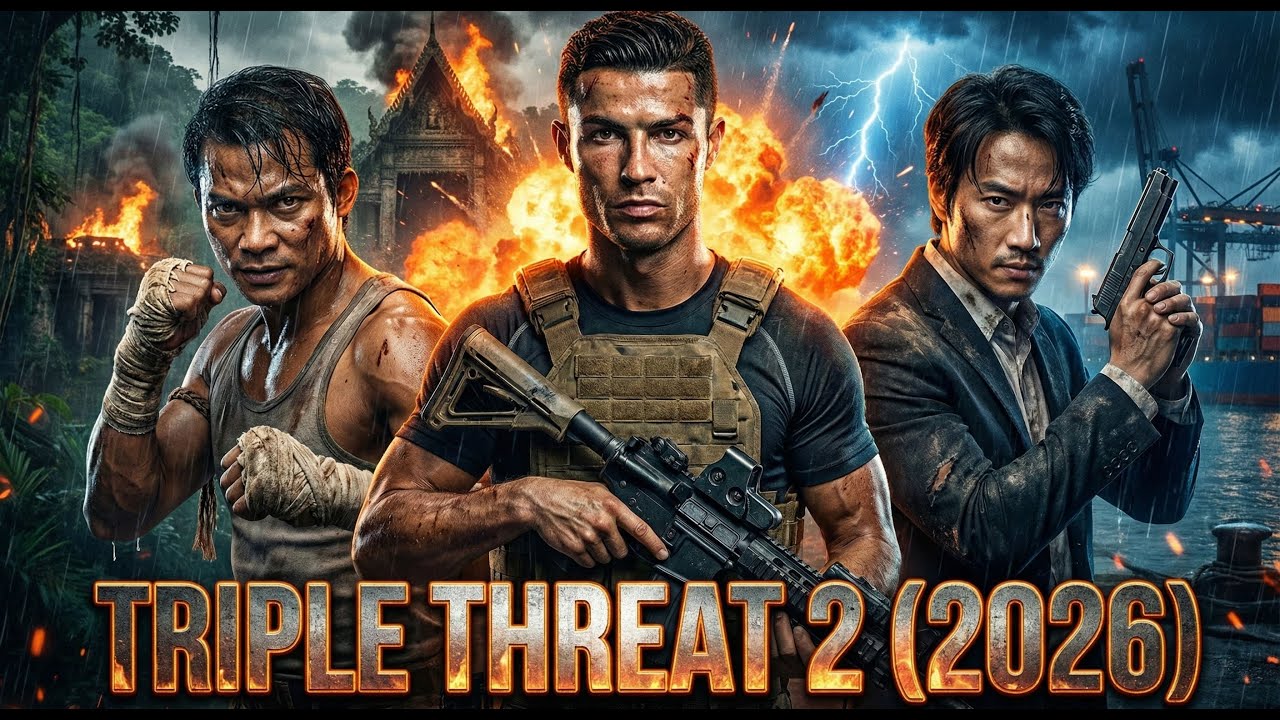
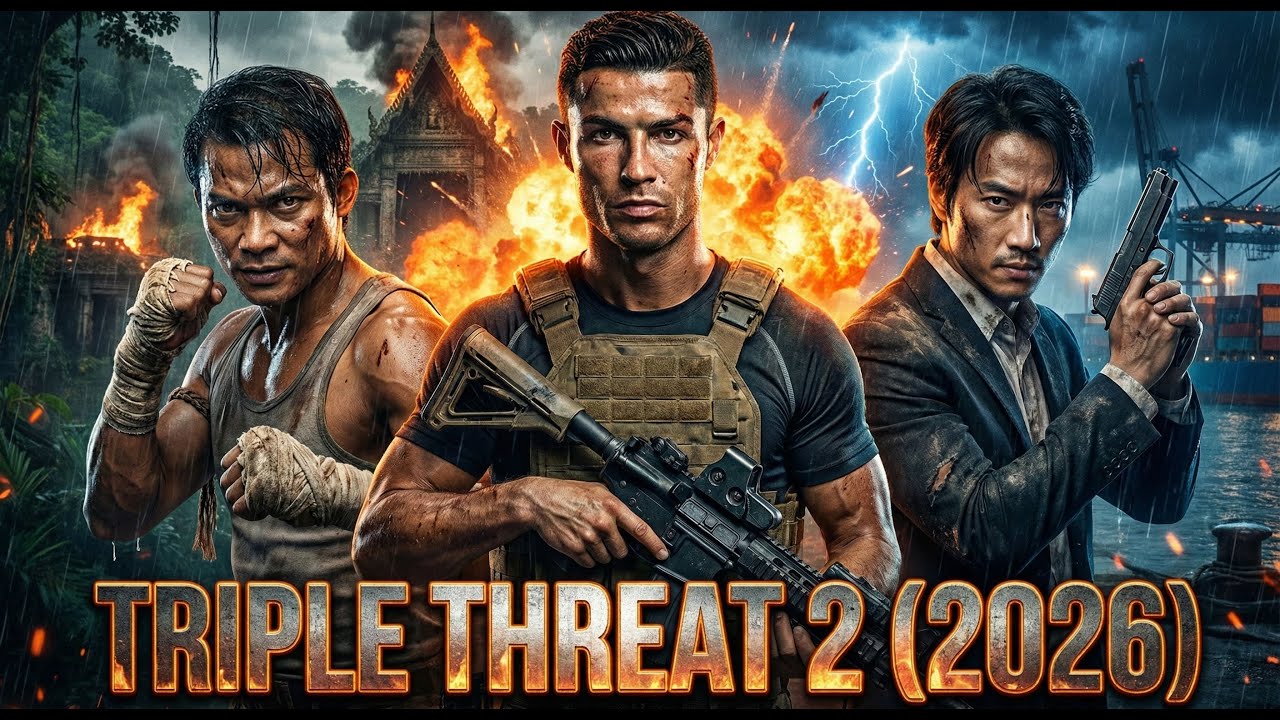
Triple Threat 2 arrives with a promise that action fans understand instinctively: four elite martial artists, one mission, and no mercy. Yet what elevates this sequel beyond mere spectacle is its awareness of what made the first film resonate. This is not simply a louder encore. It is a refinement, a cleaner expression of kinetic cinema that respects both its stars and its audience.

As a longtime observer of action cinema, I have learned that the genre lives or dies by clarity. Who is fighting, why they are fighting, and whether the choreography tells a story rather than just filling time. Triple Threat 2 understands this lesson and applies it with disciplined confidence.

Story and Stakes
The plot is lean by design. A global crime empire pushes several major cities toward chaos, and only a small coalition of the world’s most dangerous fighters can stop it. The narrative never pretends to be complex, but it does something more valuable: it gives purpose to every confrontation.

Each city becomes a pressure point, each battle a necessary step toward averting catastrophe. The film moves with the momentum of a countdown, and that urgency keeps the audience engaged even when the dialogue steps aside to let fists, elbows, and knees do the talking.
A Familiar Framework That Works
- A clear mission that escalates with each act
- Distinct enemies with different combat styles
- Personal rivalries hinted at through movement rather than exposition
This structure may be familiar, but familiarity is not a flaw when executed with conviction.
Performances: Four Styles, One Rhythm
The real attraction of Triple Threat 2 is its cast, and the film wisely treats them not as interchangeable action figures but as artists with unique physical languages.
Tony Jaa
Jaa’s Muay Thai remains a force of nature. His movements feel rooted in tradition, heavy with intent. Every strike carries the impression of years of discipline, and the camera respects his space, allowing the audience to absorb the full extension of his technique.
Iko Uwais
Uwais brings silat’s compact brutality to the screen. His fights are efficient and relentless, built on close-quarters dominance. He does not waste motion, and the film mirrors that economy in its editing choices.
Scott Adkins
Adkins provides precision. His kicks are sharp, his timing exact, and his presence bridges the gap between classic action hero and modern martial artist. He often serves as the film’s rhythmic anchor.
Michael Jai White
White adds weight and authority. His power feels earned, not exaggerated, and his physicality brings a sense of finality to each encounter he enters.
Action and Choreography
This is where Triple Threat 2 truly earns its title. The choreography is savage but legible, intense without becoming chaotic. Too many modern action films mistake speed for excitement. This film understands that impact comes from contrast: fast sequences balanced with moments where the audience can breathe and register what just happened.
The camera stays close but not intrusive, and the editing avoids the dreaded overcutting that plagues lesser productions. Each fighter’s style remains distinct, allowing the action to tell a story even in silence.
What the Film Gets Right
- Minimal use of digital effects
- Wide shots that showcase real skill
- Action scenes that advance the plot rather than interrupt it
Direction and Tone
The direction embraces a serious tone without slipping into self-importance. The film knows it is an action showcase, but it also understands that sincerity matters. There is no wink at the camera, no apology for its intensity. That confidence is refreshing.
The pacing is tight, moving from set piece to set piece with purpose. When the film pauses, it does so to reset tension, not to pad runtime.
Final Verdict
Triple Threat 2 is not trying to reinvent action cinema. Instead, it reminds us why the genre endures when done well. It respects physical performance, values clarity over chaos, and understands that legends earn their status through consistency.
For fans of martial arts films, this sequel delivers exactly what it promises and does so with professionalism and pride. It is a film that punches hard, lands clean, and leaves the audience satisfied rather than exhausted.
Sometimes, the greatest compliment a critic can give is simple: this is action cinema done right.