




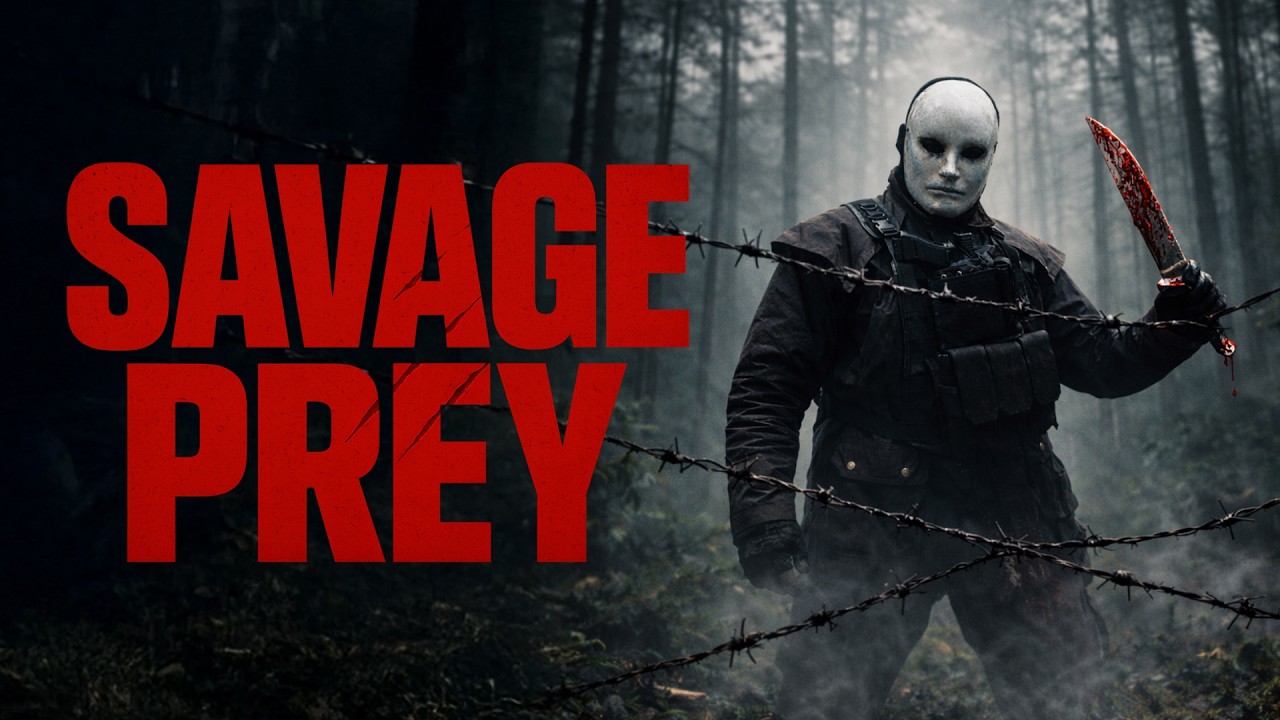
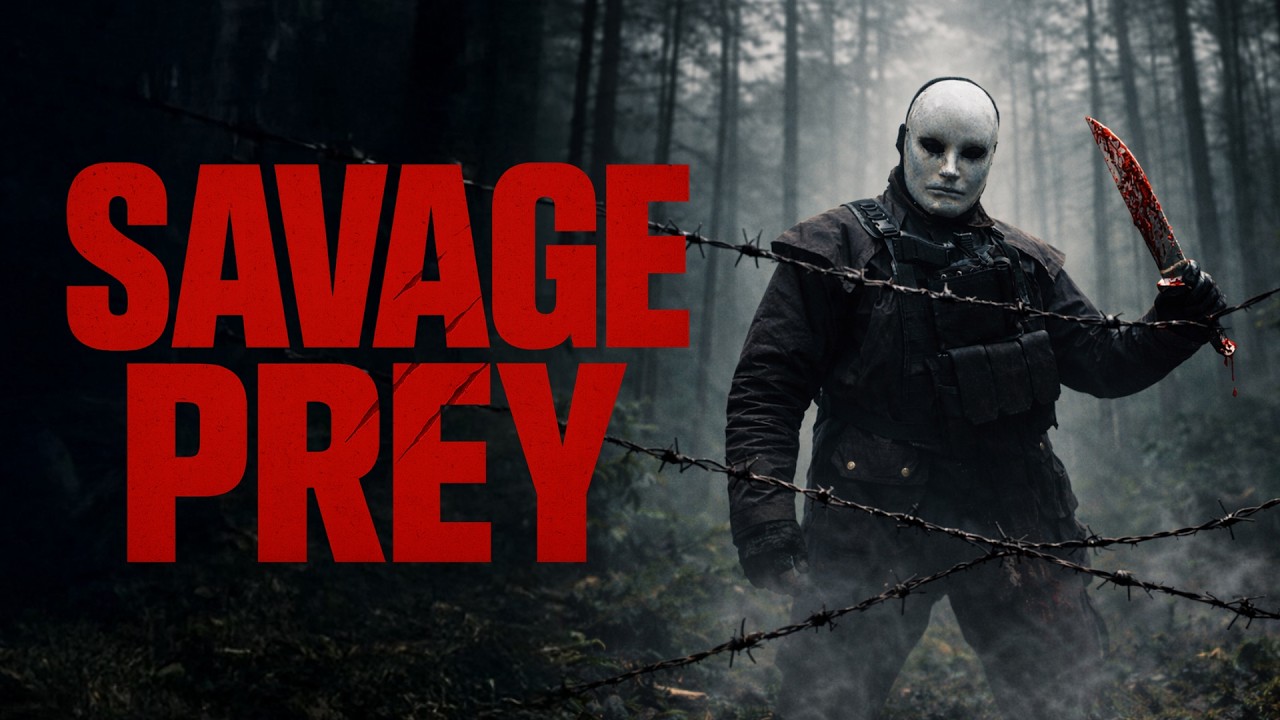
Savage Prey (2026) Review: A Gripping Tale of Survival and Despair
Director: David Ryan Keith

Stars: Marta Svetek, Hannaj Bang Bendz, Steve Weston

Genre: Horror, Thriller

Introduction
In the eerie isolation of the Scottish Highlands, Savage Prey unfolds as a harrowing survival thriller that explores the lengths to which a mother will go to find her missing child. Directed by David Ryan Keith, the film crafts a tense atmosphere of dread and desperation, pulling the audience into a labyrinth of danger and moral ambiguity.
A Mother’s Unyielding Search
The story centers on Marta Svetek’s portrayal of Claire, a mother whose son has mysteriously disappeared in the unforgiving wilderness. Claire’s quest to find him leads her to a dark, remote village where the locals are as enigmatic as they are menacing. Svetek’s performance is striking, capturing the essence of a woman teetering on the edge of madness and determination.
As Claire uncovers the sinister truths behind her son’s disappearance, the film delves into psychological horror, questioning whether she is being hunted by something far more malevolent than the harsh environment. Keith’s direction shines here, crafting sequences that are both visually arresting and narratively chilling.
The Psychological Depth of the Film
What sets Savage Prey apart from typical survival horror films is its psychological depth. The film doesn’t merely rely on cheap scares but explores the psychological toll of survival in an unknown and unforgiving land. Claire’s emotional journey is as much a battle with her own psyche as it is with the physical threats lurking around every corner.
The screenplay, while simple on the surface, presents Claire’s transformation with subtlety, giving viewers a glimpse into her fractured mental state. The sense of helplessness and paranoia that builds throughout the film is palpable, and it’s this emotional intensity that truly elevates Savage Prey above genre expectations.
Atmosphere and Cinematography
The Scottish Highlands, with their vast, rugged beauty, become a character in themselves. Cinematographer Steve Weston captures the sprawling landscapes with an unsettling sense of isolation. The cinematography effectively contrasts the vastness of the land with the confined, claustrophobic tension that Claire feels as she unravels the dark secrets of the village.
The film’s atmosphere is thick with dread, aided by a haunting score and sound design that amplifies the tension. Each creaking floorboard or distant howl echoes the growing unease, making the audience feel trapped within the same labyrinthine world as Claire.
The Villains: Fear of the Unknown
The true horror in Savage Prey is not just physical but psychological. The villagers, played by a talented supporting cast including Hannaj Bang Bendz, are as cryptic as they are terrifying. The ambiguity surrounding their motives and allegiances keeps viewers on edge throughout. Are they merely strange people living in a forgotten part of the world, or is there something far more sinister at play?
The lack of clear-cut antagonists adds to the film’s terror. The ambiguity of the threat allows the film to tap into a primal fear of the unknown, making every encounter feel unpredictable and dangerous.
Conclusion
Savage Prey is a standout film in the horror-thriller genre. David Ryan Keith’s direction, coupled with strong performances and a deeply unsettling atmosphere, creates a narrative that is both compelling and terrifying. It’s a story of a mother’s unwavering love and the brutal forces of nature and human cruelty she must contend with in her quest for survival. This is a film that lingers long after the credits roll, its emotional and psychological weight pressing down on the viewer.
If you’re a fan of horror that isn’t afraid to dig deep into human emotions and survival instincts, Savage Prey is a must-watch.