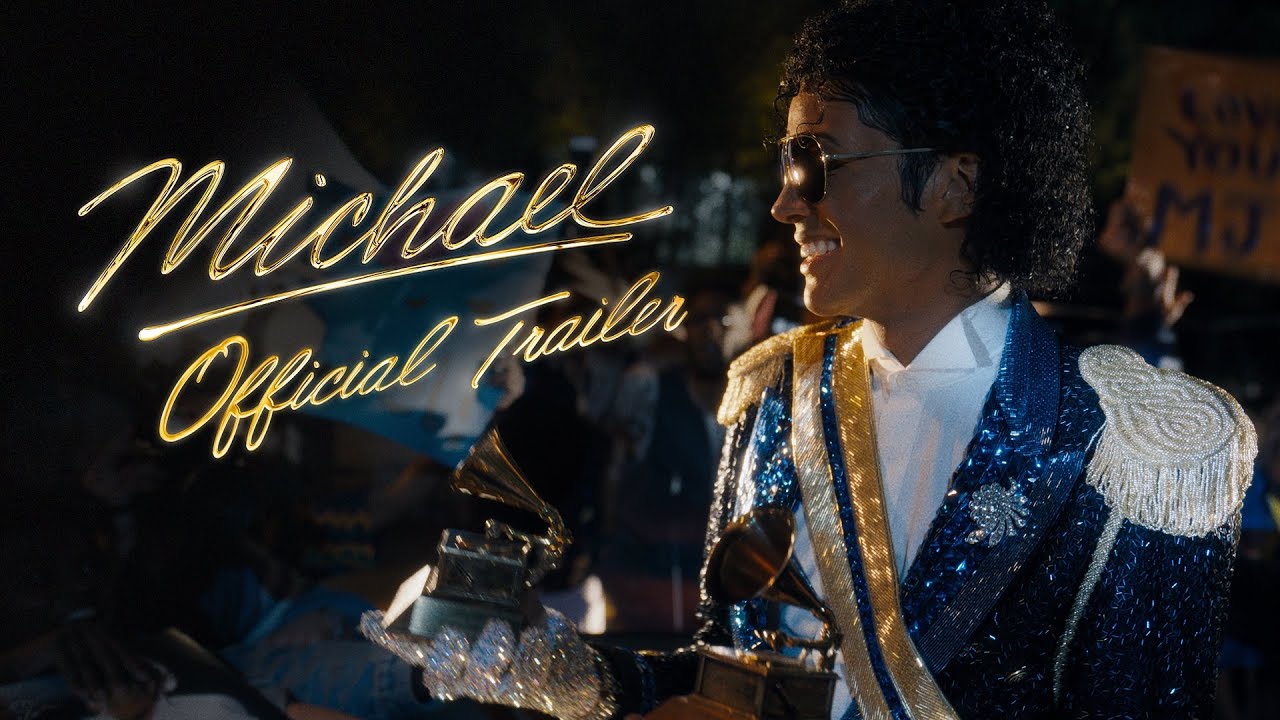
This isn’t just a film—it’s a full-scale cinematic experience. I expected a polished music biopic with nostalgia and spectacle… but somewhere between the screaming stadiums and the suffocating silence backstage, this story turns into something far more haunting.

And honestly? That’s what makes it unforgettable.

A Spectacle Worth Watching on the Big Screen
Set during the explosive era of the Dangerous World Tour, the film throws viewers directly into the chaos of global superstardom. Massive crowds. Endless flashing cameras. Deafening applause.

But beneath all that noise is a man slowly disappearing into his own legend.
The movie balances breathtaking concert sequences with surprisingly intimate emotional moments. One minute you’re watching thousands of fans lose their minds in Bucharest… the next, you’re sitting in complete silence inside a lonely hotel room while the weight of fame quietly crushes everything around it.
That contrast hits hard.
Why This Story Feels Different From Typical Music Biopics
Most music dramas follow a familiar formula: rise, fall, redemption.
This one feels more personal. More uncomfortable. More honest.
Instead of turning its central figure into a perfect icon, the film explores the emotional cost of becoming larger than life. There’s constant pressure surrounding every decision, every performance, every public appearance.
And then… everything changes.
The deeper the story goes, the more the film stops feeling like a celebrity movie and starts feeling like a psychological portrait of isolation.
But here’s what most people missed: the quietest scenes are actually the most powerful.
The Performances That Carry The Entire Film
Jaafar Jackson Delivers Something Unexpected
There’s an eerie authenticity to the performance here—not just physically, but emotionally.
The stage presence is magnetic, sure. The dance sequences are electric. But it’s the vulnerability between performances that truly lands. Tiny facial expressions. Hesitations. Exhaustion hidden behind forced smiles.
You start realizing the film isn’t trying to recreate a myth.
It’s trying to humanize one.
The Supporting Cast Adds Real Weight
Colman Domingo brings gravity to every scene he enters, while Nia Long delivers some of the film’s most emotionally grounded moments.
Miles Teller, meanwhile, helps anchor the industry side of the story—showing how fame becomes both business and prison at the same time.
Together, the cast creates an atmosphere that feels surprisingly intimate for such a massive production.
The Scene That Stole The Show
There’s one concert sequence midway through the film that genuinely feels transcendent.
The lights explode. The crowd becomes almost animalistic. The camera sweeps across tens of thousands of screaming fans.
For a few minutes, the movie becomes pure adrenaline.
But what happens immediately after that performance is what truly stays with you.
No spoilers.
Just know the emotional whiplash is brutal.
What Makes The Film So Effective?
- Massive stadium sequences that feel alive
- Emotional pacing that never feels rushed
- A darker, more reflective tone than expected
- Strong balance between spectacle and vulnerability
- Cinematic sound design that practically shakes the room
- Performances that avoid caricature
Where The Film Struggles
Not every subplot gets enough time to breathe.
Some emotional transitions happen a little too quickly, especially during the later portions of the film. There are also moments where the movie hints at deeper conflicts… then pulls away before fully exploring them.
Still, those flaws rarely damage the emotional momentum.
Because once the final act begins, the film locks you in completely.
What Viewers Are Saying
- Daniel Brooks: “I thought this would just be another music biopic. I was completely wrong.”
- Sarah Mitchell: “The concert scenes gave me chills. Absolute theater experience.”
- Marcus Reed: “There’s one quiet hotel scene I genuinely can’t stop thinking about.”
- Emily Carter: “Way more emotional than I expected. Surprisingly heartbreaking.”
- Kevin Morales: “Jaafar Jackson absolutely disappears into the role.”
- Tiffany Lane: “The sound design alone deserves awards.”
- Jordan Ellis: “It captures the loneliness of fame better than most movies ever do.”
- Rebecca Stone: “The final 30 minutes hit me emotionally harder than I expected.”
- Anthony Blake: “Big-screen viewing is mandatory for this one.”
Final Verdict
This film works because it understands something many biopics forget:
The larger the celebrity becomes, the smaller and lonelier their private world often feels.
What starts as an explosive celebration of music slowly transforms into a surprisingly emotional meditation on fame, identity, pressure, and survival.
It’s visually massive. Emotionally heavy. Sometimes uncomfortable.
And that’s exactly why it works.
Long after the music stops, the feeling lingers.
Frequently Asked Questions
Is this movie worth watching in theaters?
Absolutely. The concert sequences and sound design feel built specifically for the big screen.
Do you need to know the Dangerous World Tour beforehand?
Not at all. Even viewers unfamiliar with the era can easily connect with the emotional story.
Is the film mostly music performances or drama?
It balances both surprisingly well. The performances are spectacular, but the emotional drama drives the film.
Does the movie focus on fame and isolation?
Very heavily. In many ways, that becomes the emotional core of the entire story.
How emotional is the ending?
Much more emotional than most viewers are expecting. Especially the final act.